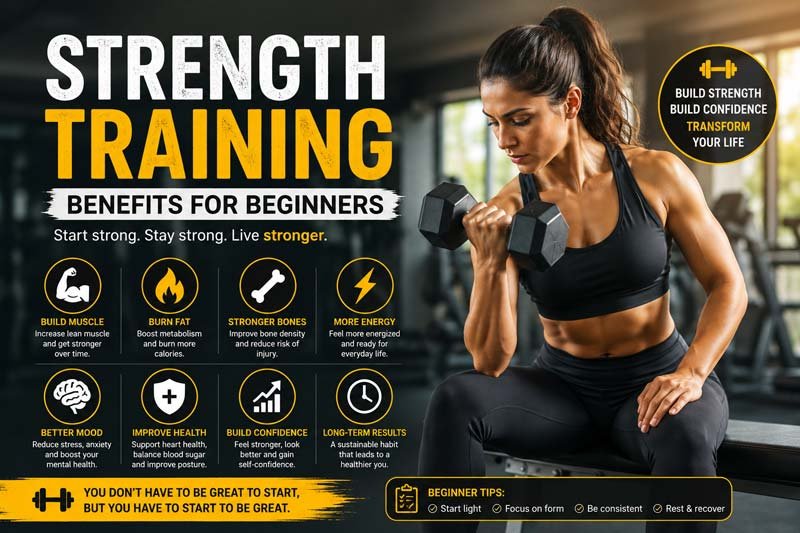
Strength training benefits for beginners extend far beyond building bigger muscles. Whether you’re looking to improve your overall health, lose weight, increase energy levels, or maintain independence as you age, strength training is one of the most effective forms of exercise available.
Strength Training Benefits for Beginners
Many Americans spend long hours sitting at desks, commuting, or using digital devices, leading to reduced physical activity and declining muscle strength. According to recommendations from health organizations such as the CDC and American Heart Association, adults should participate in muscle-strengthening activities at least two days per week to support overall health and wellness.
The good news is that you don’t need to be an athlete or spend hours in a gym to experience the benefits. Beginners can achieve significant improvements in strength, fitness, and quality of life with a simple and consistent resistance training routine.
This comprehensive guide by Health Epics explores the science-backed strength training benefits for beginners, the best exercises, nutrition strategies, common mistakes to avoid, and practical tips to help you get started safely.
What Is Strength Training?
Strength training, also known as resistance training or weight loss training, involves exercises that make your muscles work against resistance. This resistance can come from:
- Free weights
- Resistance bands
- Weight machines
- Body weight exercises
- Kettlebells
- Medicine balls
The goal is to challenge your muscles enough that they adapt by becoming stronger and more efficient over time.
Examples of strength training exercises include:
- Squats
- Push-ups
- Lunges
- Deadlifts
- Rows
- Bench presses
- Shoulder presses
- Pull-ups
Unlike cardiovascular exercise, which primarily improves heart and lung function, strength training focuses on developing muscular strength, endurance, and overall body composition.
Also visit – Home Workout Plan Without Equipment for Beginners
Causes and Risk Factors That Make Strength Training Important
Many modern lifestyle factors contribute to muscle weakness and declining physical fitness.
Sedentary Jobs – Millions of Americans work in offices or remotely, spending eight or more hours sitting daily.
Aging – Adults naturally lose muscle mass and strength as they age, a condition known as sarcopenia.
Physical Inactivity – Lack of regular movement can contribute to muscle loss and reduced physical performance.
Poor Nutrition – Diets high in processed foods and low in protein may negatively impact muscle health.
Excess Body Weight – Being overweight can increase the risk of chronic diseases while reducing mobility and physical function.
Chronic Stress – Long-term stress can affect recovery, sleep quality, and exercise performance.
Lack of Exercise Experience – Many adults avoid exercise because they feel intimidated by gyms or do not know where to begin.
Also visit – Best Full Body Workout for Beginners
Strength training can help address each of these challenges.
Signs You May Benefit from Strength Training
Although nearly everyone can benefit from resistance training, some common signs indicate it may be especially helpful.
- Difficulty lifting everyday objects
- Low energy levels
- Poor posture
- Frequent back pain
- Reduced balance
- Weight gain
- Decreased muscle tone
- Trouble climbing stairs
- Reduced endurance during daily activities
Addressing these issues through strength training may improve overall physical function and health.
Also visit – A Complete Guide to Essential Nutrients Your Body Needs
Benefits of Addressing Muscle Weakness Through Strength Training
Increased Muscle Strength
The most obvious benefit is stronger muscles.
Everyday activities become easier, including:
- Carrying groceries
- Lifting children
- Moving furniture
- Yard work
- Climbing stairs
Improved Metabolism
Muscle tissue burns more calories than fat tissue, even while resting.
Increasing lean muscle mass may help support healthy weight management.
Better Weight Loss Results
Strength training helps preserve muscle while losing body fat.
Many people who focus solely on cardio lose both fat and muscle, which may reduce long-term metabolic health.
Also visit – How Many Calories Should You Eat to Lose Weight
Improved Bone Health
Resistance training stimulates bones to become stronger.
This can help reduce age-related bone loss and lower the risk of osteoporosis.
Better Blood Sugar Control
Research supported by the NIH suggests that strength training may improve insulin sensitivity and help regulate blood sugar levels.
Improved Heart Health
Although often associated with cardio exercise, strength training can also support cardiovascular health by improving blood pressure, cholesterol levels, and body composition.
Better Balance and Stability
Stronger muscles improve coordination and reduce fall risk, particularly among older adults.
Enhanced Mental Health
Exercise releases chemicals in the brain that support mood and emotional well-being.
Many beginners report:
- Reduced stress
- Improved confidence
- Better mood
- Lower anxiety levels
Better Posture
Strengthening the back, shoulders, and core can improve posture and reduce discomfort from prolonged sitting.
Increased Independence with Age
Maintaining muscle strength helps preserve mobility and independence throughout life.
Also visit – How to Lose Weight Fast Naturally at Home
Best Natural Solutions for Building Strength
Follow a Consistent Training Schedule
Consistency is more important than intensity when starting out.
Aim for:
- Two to three strength training sessions weekly
- Full-body workouts
- Rest days between sessions
Practice Progressive Overload
Progressive overload means gradually increasing the challenge placed on your muscles.
Examples include:
- Increasing weight
- Performing more repetitions
- Adding extra sets
- Improving exercise technique
Prioritize Recovery
Muscles become stronger during recovery.
Allow at least 48 hours before training the same muscle group intensely again.
Get Adequate Sleep
The CDC recommends adults get at least seven hours of sleep per night.
Sleep supports:
- Muscle repair
- Hormone regulation
- Recovery
- Exercise performance
Stay Hydrated
Proper hydration supports muscle contractions and recovery.
Drink water consistently throughout the day, especially before and after workouts.
Also visit – 7-Day Weight Loss Diet Plan for Beginners
Best Foods for Americans Starting Strength Training
Nutrition plays a critical role in exercise performance and recovery.
Lean Protein Sources
Protein supports muscle repair and growth.
Excellent options include:
- Chicken breast
- Turkey
- Eggs
- Fish
- Greek yogurt
- Cottage cheese
- Lean beef
- Tofu
Complex Carbohydrates
Carbohydrates provide energy for workouts.
Healthy choices include:
- Oatmeal
- Brown rice
- Quinoa
- Sweet potatoes
- Whole-grain bread
Healthy Fats
Healthy fats support hormone production and overall health.
Examples include:
- Avocados
- Nuts
- Seeds
- Olive oil
- Fatty fish
Fruits and Vegetables
These foods provide vitamins, minerals, antioxidants, and fiber essential for recovery and overall wellness.
Post-Workout Meal Example
A beginner-friendly post-workout meal might include:
- Grilled chicken breast
- Brown rice
- Steamed vegetables
- Water
This combination provides protein, carbohydrates, and nutrients needed for recovery.
Best Exercises for Beginners
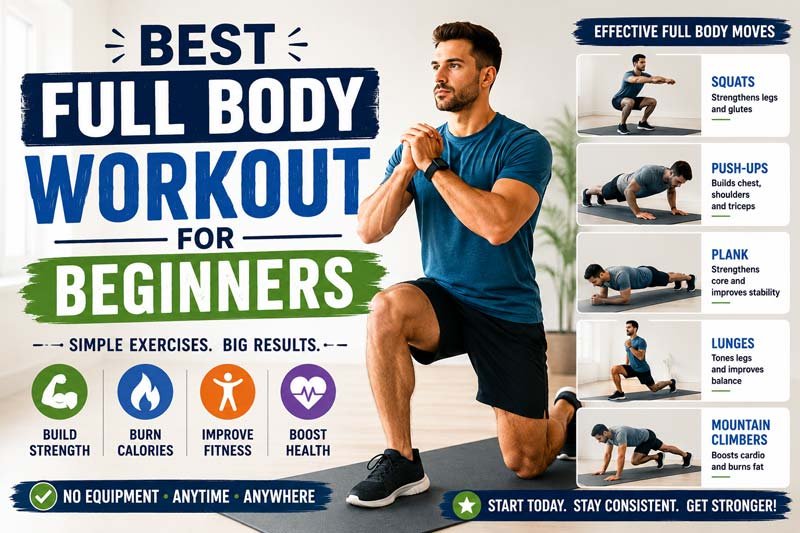
Bodyweight Squats – Strengthen the:
- Quadriceps
- Hamstrings
- Glutes
- Core
Push-Ups – Build strength in the:
- Chest
- Shoulders
- Triceps
- Core
Modified push-ups can help beginners progress safely.
Lunges – Improve lower-body strength and balance.
Dumbbell Rows – Target the back and improve posture.
Glute Bridges – Strengthen the hips and posterior chain.
Planks – Develop core stability and endurance.
Shoulder Presses – Build upper-body strength and shoulder stability.
Resistance Band Exercises – Resistance bands provide an affordable and beginner-friendly option for home workouts.
Also visit – Healthy Breakfast Ideas for a Strong and Energetic Start
Lifestyle Changes That Maximize Results
Move More Throughout the Day
Take walking breaks during work hours.
Even short movement sessions can support overall health.
Reduce Processed Foods
Limiting highly processed foods may improve energy levels and body composition.
Manage Stress
Helpful techniques include:
- Meditation
- Walking
- Deep breathing
- Yoga
- Spending time outdoors
Track Progress
Record:
- Workout performance
- Strength gains
- Measurements
- Energy levels
Tracking progress helps maintain motivation.
Common Mistakes Beginners Should Avoid
Starting Too Heavy – Using excessive weight increases injury risk and can negatively affect exercise form.
Skipping Warm-Ups – A proper warm-up prepares muscles and joints for exercise.
Ignoring Recovery – Training every day without rest can slow progress.
Comparing Yourself to Others – Everyone starts at a different fitness level.
Neglecting Nutrition – Exercise alone cannot compensate for poor eating habits.
Inconsistent Training – Results require long-term commitment and consistency.
Poor Exercise Technique – Learning proper form should always take priority over lifting heavier weights.
Also visit – Top 10 Weight Loss Mistakes to Avoid
Risks and Precautions
Strength training is generally safe for most adults, but precautions are important.
Consult Your Healthcare Provider If You Have:
- Heart disease
- High blood pressure
- Diabetes
- Joint disorders
- Chronic health conditions
Learn Proper Form
Working with a certified trainer can help beginners learn safe exercise techniques.
Progress Gradually
Increase intensity slowly to reduce injury risk.
Listen to Your Body
Normal muscle soreness is common, but sharp pain should not be ignored.
Expert Tips for Beginner Success
- Start with two to three workouts weekly.
- Focus on full-body exercises.
- Prioritize technique before increasing weight.
- Track your progress consistently.
- Consume protein at every meal.
- Stay hydrated throughout the day.
- Get seven to nine hours of sleep nightly.
- Be patient with results.
- Celebrate small victories.
- Make strength training a lifelong habit rather than a short-term challenge.
Frequently Asked Questions
What are the benefits of strength training for beginners?
Strength training improves muscle strength, bone health, metabolism, weight management, balance, posture, and overall physical function.
How often should beginners do strength training?
Most beginners benefit from strength training two to three times per week with rest days between sessions.
Can strength training help lose belly fat?
Strength training can support fat loss by increasing calorie expenditure and preserving lean muscle mass when combined with a healthy diet.
Is strength training safe for older adults?
Yes. When performed correctly, strength training is considered safe and beneficial for most older adults.
Do I need a gym to start strength training?
No. Bodyweight exercises and resistance bands can provide effective workouts at home.
How long does it take to see results from strength training?
Many beginners notice strength improvements within a few weeks, while visible physical changes often appear after several months of consistent training.
Should beginners use heavy weights?
No. Beginners should focus on proper form and gradually increase resistance over time.
What should I eat after strength training?
A meal containing protein and carbohydrates can support recovery and muscle repair.
Can strength training improve posture?
Yes. Strengthening the core, shoulders, and back muscles often contributes to better posture.
Is strength training better than cardio?
Both forms of exercise offer unique health benefits. A balanced fitness routine should include both strength training and cardiovascular activity.
Key Takeaways
- Strength training benefits for beginners include improved strength, metabolism, bone health, posture, and mental well-being.
- Most adults can benefit from resistance training at least two times per week.
- Consistency, proper nutrition, and recovery are essential for success.
- Beginners should focus on technique before increasing weight.
- Strength training supports healthy aging and long-term physical independence.
- Bodyweight exercises and resistance bands can provide effective workouts without a gym membership.
- Combining strength training with healthy lifestyle habits produces the best long-term results.
Conclusion
The strength training benefits for beginners go far beyond building muscle. Regular resistance training can improve overall health, increase physical strength, support weight loss management, enhance bone density, boost confidence, and promote healthy aging. Whether you train at home or in a gym, starting with simple exercises and maintaining consistency can lead to meaningful improvements in your health and quality of life. By combining proper training, balanced nutrition, adequate sleep, and recovery, beginners can build a strong foundation for lifelong fitness and wellness.
Medical Disclaimer
This article is intended for educational and informational purposes only and should not be considered medical advice. Always consult a qualified healthcare provider before beginning a new exercise program, especially if you have a medical condition, injury, or other health concerns. Individual results may vary, and recommendations should be tailored to your specific needs and circumstances.