Finding the best foods for weight loss can feel overwhelming with so many diets, trends, and conflicting nutrition advice online. From low-carb plans to intermittent fasting and meal replacement programs, weight-loss strategies often promise quick results. However, sustainable weight loss usually comes down to choosing nutrient-dense foods that help control hunger, support metabolism, and promote overall health.
Best Foods for Weight Loss: Eat Healthy & Lose Weight Fast
According to the Centers for Disease Control and Prevention (CDC), healthy weight loss is generally achieved through long-term lifestyle changes that include balanced eating, regular physical activity, adequate sleep, and stress management. The foods you eat play a major role because they affect calorie intake, fullness, blood sugar levels, and energy balance.
This guide explores the best foods for weight loss, why they work, and how Americans can incorporate them into a realistic and sustainable eating plan.
Also Visit – Best Diet for Thyroid: Foods to Eat, Foods to Avoid
What Are the Best Foods for Weight Loss?
The best foods for weight loss are foods that provide a high amount of nutrition relative to their calorie content. These foods typically help you stay full longer, reduce cravings, and support overall health.
Weight-loss-friendly foods often contain:
- High-quality protein
- Dietary fiber
- Healthy fats
- Essential vitamins and minerals
- Water content that promotes fullness
Rather than focusing on a single “fat-burning” food, experts recommend building meals around nutrient-dense options that fit into a calorie-controlled eating pattern.
Causes and Risk Factors for Weight Gain
Understanding the factors that contribute to weight gain can help individuals make better dietary choices.
Excess Calorie Consumption
Consistently consuming more calories than the body burns leads to weight gain.
Sedentary Lifestyle
Many Americans spend long hours sitting at desks, commuting, or using electronic devices, reducing daily calorie expenditure.
Frequent Fast Food Consumption
Fast food meals are often high in calories, sodium, refined carbohydrates, and unhealthy fats.
Also Visit – Healthy Breakfast Ideas for a Strong and Energetic Start
Poor Sleep Habits
Sleep deprivation can affect hormones that regulate hunger and appetite.
Stress and Emotional Eating
Stress often leads to increased cravings for high-calorie comfort foods.
Sugary Beverages
Soft drinks, sweetened coffee beverages, sports drinks, and energy drinks can contribute significant calories without promoting fullness.
Medical Conditions
Certain hormonal disorders, medications, and health conditions may increase the risk of weight gain.
Signs and Symptoms of Unhealthy Weight Gain
Excess weight can impact overall health and daily functioning.
Common signs include:
- Increased waist circumference
- Reduced energy levels
- Difficulty with physical activity
- Joint discomfort
- Elevated blood pressure
- Poor sleep quality
- Increased risk of type 2 diabetes
- Higher cholesterol levels
Addressing weight concerns early may help reduce long-term health risks.
Benefits of Addressing Excess Weight
Losing excess weight offers numerous health benefits.
Improved Heart Health
The American Heart Association emphasizes that maintaining a healthy weight supports cardiovascular health.
Better Blood Sugar Control
Weight loss can improve insulin sensitivity and blood glucose regulation.
Increased Energy Levels
Many individuals experience improved stamina and productivity.
Reduced Joint Stress
Every pound lost can reduce pressure on weight-bearing joints.
Better Sleep
Weight management may help improve sleep quality and reduce sleep-related breathing issues.
Enhanced Mental Well-Being
Healthy lifestyle changes often improve confidence, mood, and overall quality of life.
Best Natural Solutions for Weight Loss
While food choices are critical, successful weight loss involves a comprehensive approach.
Natural strategies include:
- Eating nutrient-dense foods
- Controlling portion sizes
- Increasing physical activity
- Staying hydrated
- Prioritizing sleep
- Managing stress
- Limiting processed foods
- Reducing added sugars
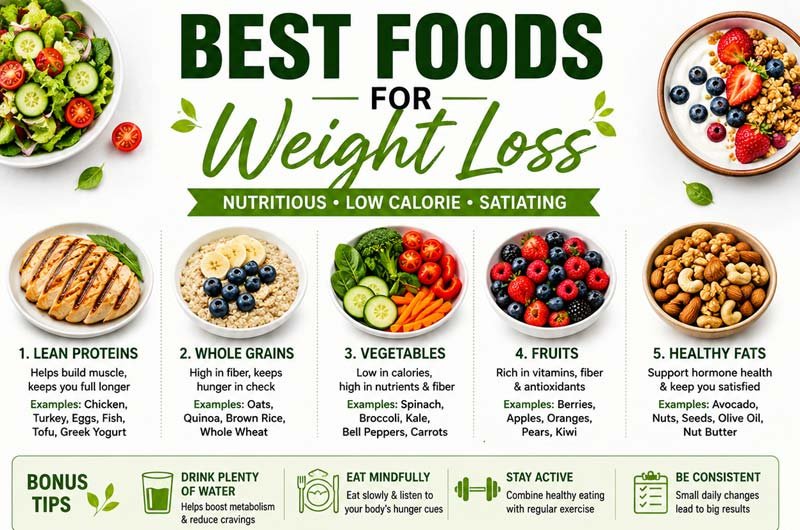
Best Foods for Weight Loss
Eggs
Eggs are one of the most nutritious breakfast foods available.
Benefits
- Rich in protein
- Highly satisfying
- Support muscle maintenance
- Relatively low in calories
A protein-rich breakfast may help reduce hunger later in the day.
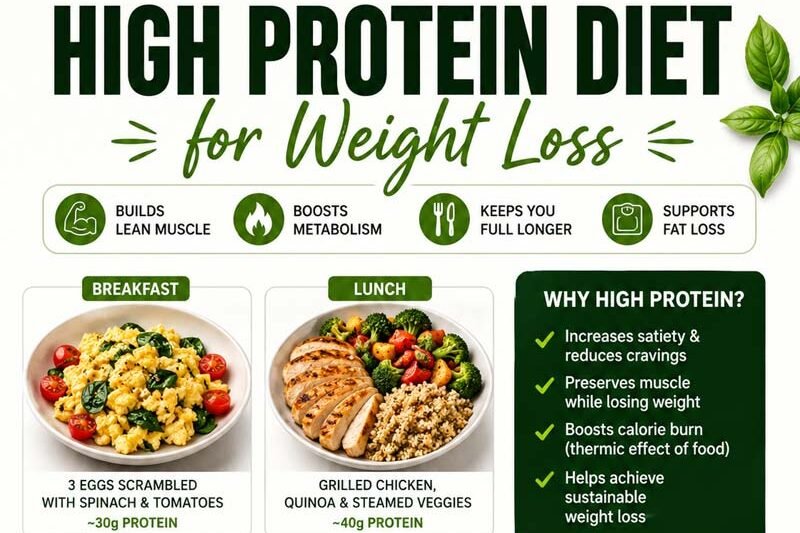
Also Visit – High Protein Diet for Weight Loss
Greek Yogurt
Greek yogurt provides a combination of protein, calcium, and probiotics.
Benefits
- High protein content
- Supports fullness
- Convenient snack option
- Supports digestive health
Choose plain, unsweetened varieties whenever possible.
Oatmeal
Oatmeal is a whole grain rich in soluble fiber.
Benefits
- Promotes fullness
- Supports healthy cholesterol levels
- Provides steady energy
Top oatmeal with berries and nuts for additional nutrition.
Berries
Strawberries, blueberries, raspberries, and blackberries are excellent choices.
Benefits
- Low in calories
- High in fiber
- Rich in antioxidants
- Naturally sweet
Berries can help satisfy sweet cravings while supporting overall health.
Apples
Apples contain fiber and water, both of which contribute to fullness.
Benefits
- Portable and convenient
- Low calorie
- High fiber
- Naturally sweet
Eating whole fruit is generally more filling than drinking fruit juice.
Leafy Green Vegetables
Examples include:
- Spinach
- Kale
- Arugula
- Swiss chard
Benefits
- Very low in calories
- High in nutrients
- High volume for fullness
Adding greens to meals can increase portion size without significantly increasing calories.
Salmon
Salmon is rich in protein and omega-3 fatty acids.
Benefits
- Promotes satiety
- Supports heart health
- Provides essential nutrients
The American Heart Association recommends eating fish regularly as part of a healthy diet.
Chicken Breast
Skinless chicken breast remains a staple weight-loss food.
Benefits
- Lean source of protein
- Supports muscle preservation
- Versatile and affordable
Protein is particularly important during weight loss because it helps maintain lean body mass.
Beans and Legumes
Examples include:
- Black beans
- Lentils
- Chickpeas
- Kidney beans
Benefits
- High in fiber
- High in protein
- Budget-friendly
- Supports digestive health
Avocados
Despite being calorie-dense, avocados contain healthy fats and fiber.
Benefits
- Promote fullness
- Support heart health
- Nutrient-rich
Moderation is important due to their calorie content.
Nuts
Healthy options include:
- Almonds
- Walnuts
- Pistachios
Benefits
- Protein and healthy fats
- Convenient snack
- May help reduce hunger
Portion control remains important.
Cottage Cheese
Cottage cheese is an excellent source of protein.
Benefits
- Supports fullness
- Low in calories
- Rich in calcium
It works well as a breakfast, snack, or post-workout meal.
Sweet Potatoes
Sweet potatoes provide fiber and important nutrients.
Benefits
- Rich in vitamin A
- Naturally sweet
- More filling than many processed carbohydrates
Broccoli
Broccoli is a nutrient-dense vegetable that supports healthy eating.
Benefits
- High fiber
- Low calorie
- Rich in vitamins
It pairs well with lean proteins for balanced meals.
Chia Seeds
These tiny seeds provide fiber, protein, and omega-3 fats.
Benefits
- Promote fullness
- Easy to add to smoothies and yogurt
- Nutrient-dense
Best Foods for Americans Trying to Lose Weight
A practical American weight-loss meal plan may include:
Breakfast
- Eggs and oatmeal
- Greek yogurt with berries
- Protein smoothie
Lunch
- Grilled chicken salad
- Turkey sandwich on whole-grain bread
- Lentil soup
Dinner
- Salmon with vegetables
- Lean turkey chili
- Stir-fried vegetables with tofu
Snacks
- Apple slices
- Cottage cheese
- Almonds
- Carrot sticks with hummus
These foods help control hunger while providing essential nutrients.
Also Visit – Best Morning Workout for Weight Loss
Best Exercises and Lifestyle Changes
Healthy eating works best when combined with physical activity.
Walking
Walking remains one of the easiest ways to increase calorie expenditure.
Aim for:
- At least 30 minutes daily
- Approximately 2 to 3 miles depending on pace
Strength Training
Resistance exercise helps preserve muscle during weight loss.
Aim for:
- Two to three sessions weekly
Improve Sleep
Most adults should aim for:
- 7 to 9 hours nightly
Manage Stress
Helpful strategies include:
- Meditation
- Yoga
- Deep breathing
- Outdoor activities
Reduce Sedentary Time
Simple changes include:
- Taking walking breaks
- Using stairs
- Standing during meetings
Common Mistakes to Avoid
Relying on Diet Foods
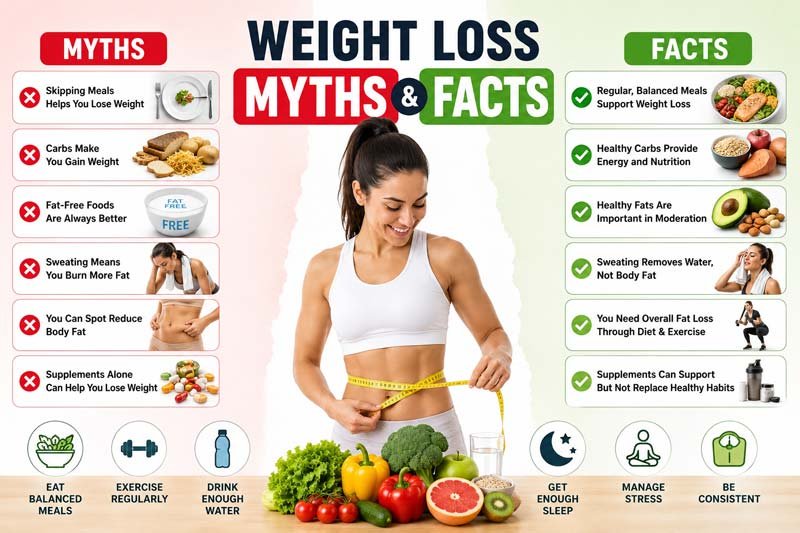
Many “diet” products contain added sugars and artificial ingredients.
Eliminating Entire Food Groups
Extreme restriction is often difficult to maintain.
Skipping Meals
This may increase hunger and overeating later.
Ignoring Portion Sizes
Even healthy foods can contribute excess calories.
Drinking Calories
Sugary beverages can significantly increase daily calorie intake.
Risks and Precautions
Nutritional Deficiencies
Overly restrictive diets may lead to inadequate nutrient intake.
Rapid Weight Loss
Losing weight too quickly may increase the risk of muscle loss and nutritional deficiencies.
Medical Conditions
Individuals with diabetes, kidney disease, or other health conditions should consult a healthcare professional before making significant dietary changes.
Food Allergies
Always consider food allergies and individual dietary needs.
Expert Tips for Long-Term Weight Loss Success
- Prioritize protein at every meal.
- Fill half your plate with vegetables.
- Choose whole foods over processed foods.
- Stay hydrated throughout the day.
- Plan meals ahead of time.
- Read nutrition labels carefully.
- Monitor portion sizes.
- Focus on consistency rather than perfection.
Frequently Asked Questions
What are the best foods for weight loss?
Foods rich in protein, fiber, and nutrients—including eggs, Greek yogurt, vegetables, berries, lean meats, and legumes—are among the best choices for healthy weight loss.
What foods help burn belly fat?
No specific food directly burns belly fat. However, protein-rich and high-fiber foods may support overall fat loss when combined with a calorie-controlled diet.
Are eggs good for weight loss?
Yes. Eggs are high in protein and may help increase feelings of fullness.
Is oatmeal good for losing weight?
Oatmeal contains fiber that can promote satiety and support healthy eating habits.
What should I eat for breakfast to lose weight?
A balanced breakfast may include eggs, Greek yogurt, oatmeal, fruit, or a protein smoothie.
Are bananas good for weight loss?
Bananas can fit into a healthy weight-loss plan when consumed in appropriate portions.
What foods should I avoid when trying to lose weight?
Limit highly processed foods, sugary beverages, fast food, and foods high in added sugars.
How much protein do I need for weight loss?
Protein needs vary by age, weight, activity level, and health status. A registered dietitian can provide individualized recommendations.
Can I lose weight without exercising?
Weight loss can occur through dietary changes alone, but exercise provides additional health benefits and often improves long-term success.
Is snacking bad for weight loss?
Not necessarily. Healthy snacks can help manage hunger between meals.
Conclusion
Choosing the best foods for weight loss can make a significant difference in your ability to achieve and maintain a healthy weight. Nutrient-dense foods such as eggs, Greek yogurt, vegetables, berries, lean proteins, legumes, and whole grains help control hunger while supporting overall health. Combined with regular physical activity, proper sleep, hydration, and mindful eating habits, these foods can contribute to sustainable weight loss and long-term wellness. Rather than searching for a miracle food, focus on building balanced meals that support your goals and fit your lifestyle.