One of the most crucial things you can do to protect your general health is to learn how to keep your teeth healthy. More than only your teeth and gums are impacted by oral health. Poor dental hygiene has been linked to heart disease, complications from diabetes, respiratory infections, and a lower quality of life, according to research.
How to Maintain Good Oral Health
Due to hectic schedules, frequent intake of processed foods and sugary drinks, stress, tobacco use, and irregular dental care, many Americans suffer from oral health issues. The risk of cavities, gum disease, poor breath, and tooth loss can be considerably decreased by adopting simple daily routines.
This thorough guide teaches how to maintain good oral health through preventive dental treatment, healthy eating habits, lifestyle modifications, and appropriate hygiene practices by Health Epics.
What Is Good Oral Health?
When your teeth, gums, tongue, and mouth are free from illness, infection, discomfort, and other issues that impair normal function, you are said to be in good oral health.
A healthy mouth typically includes:
- Strong teeth without cavities
- Pink, healthy gums
- Fresh breath
- No oral pain or discomfort
- Ability to chew and speak properly
- Minimal plaque buildup
Maintaining oral health necessitates a combination of regular professional dental treatment and daily hygiene measures, according to recommendations from CDC and NIH.
Causes and Risk Factors for Poor Oral Health
The likelihood of oral health issues might be raised by a number of things.
Poor Oral Hygiene – Plaque and bacteria can build up on teeth and gums due to inadequate brushing and flossing.
High Sugar Consumption – Frequent consumption of sugary meals and drinks feeds the germs that cause cavities.
Common sources include:
- Soda
- Sweetened coffee drinks
- Candy
- Sports drinks
- Desserts
Tobacco Use – Tobacco chewing and smoking greatly raise the risk of:
- Gum disease
- Tooth loss
- Oral cancer
- Stained teeth
Dry Mouth – Increased bacterial growth and tooth damage might result from decreased saliva production.
Poor Diet – Teeth and gum tissues may become weaker due to nutritional deficits.
Also visit – Strength Training Benefits for Beginners: A Complete Guide
Chronic Health Conditions – Diabetes is one condition that might make a person more vulnerable to oral infections and gum disease.
Aging – Medication use, dry mouth, and gum recession may put older persons at higher risk.
Signs and Symptoms of Poor Oral Health
Serious dental issues can be avoided by identifying early warning indicators.
Common symptoms include:
- Bleeding gums
- Persistent bad breath
- Tooth sensitivity
- Cavities
- Swollen gums
- Receding gums
- Loose teeth
- Mouth sores
- Pain while chewing
- Tooth discoloration
A professional dental checkup is advised if symptoms continue.
Also visit – Weight Loss Tips for Women Over 30: Complete Guide
Benefits of Maintaining Good Oral Health
There are advantages to maintaining dental health that go beyond your smile.
Reduced Risk of Cavities – Tooth deterioration and expensive dental procedures can be avoided with regular oral hygiene.
Healthier Gums – Maintaining healthy practices lowers the risk of periodontal disease and gingivitis.
Better Overall Health – According to research, managing diabetes and cardiovascular health are related to dental health.
Improved Confidence – A more appealing smile and higher self-esteem are two benefits of having healthy teeth.
Fresher Breath – Reducing foul breath is aided by effective plaque control.
Lower Dental Costs – In general, restorative treatments are more expensive than preventive care.
Better Nutrition – Chewing foods high in nutrients is made easier with healthy teeth.
Also visit – Best Full Body Workout for Beginners
Best Natural Solutions for Maintaining Good Oral Health
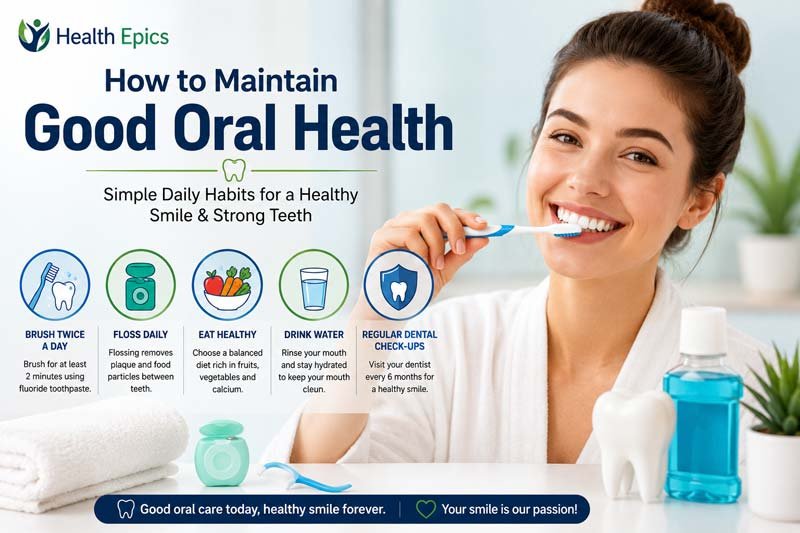
Brush Properly Twice Daily – The cornerstone of dental care is still brushing.
Recommendations include:
- Twice a day, brush for two minutes.
- Use toothpaste with fluoride.
- Employ a toothbrush with gentle bristles.
- Toothbrushes should be changed every three to four months.
Plaque is removed and the risk of cavities is decreased with proper brushing.
Floss Every Day – Food particles and grime between teeth that toothbrushes cannot reach are removed by flossing.
Daily flossing helps:
- Avoid cavities
- Decrease inflammation of the gums
- Boost the freshness of your breath
Use Fluoride – Fluoride helps stop decay and fortifies tooth enamel.
Stay Hydrated – Water promotes the production of saliva and aids in the removal of meal particles.
By neutralizing dangerous acids, saliva naturally shields teeth.
Rinse After Meals – Rinsing with water can help get rid of food particles and lessen exposure to acid when brushing is not an option.
Clean Your Tongue – Cleaning your tongue might help get rid of microorganisms that cause bad breath.
Also visit – Top 10 Weight Loss Mistakes to Avoid
Best Foods for Americans Seeking Better Oral Health
Maintaining healthy teeth and gums is mostly dependent on nutrition.
Dairy Products
- Milk
- Cheese
- Yogurt
Tooth enamel is supported by the calcium and phosphorus found in these meals.
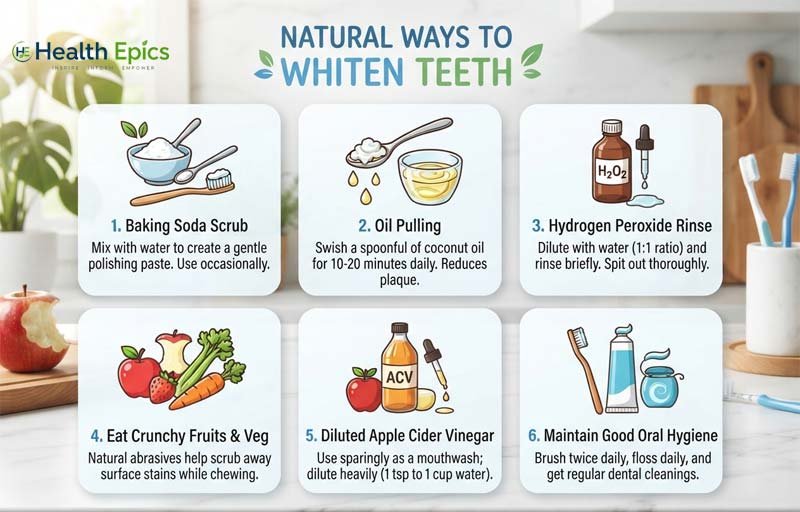
Crunchy Fruits and Vegetables
- Apples
- Carrots
- Celery
They promote salivation and aid in the natural cleaning of teeth.
Leafy Greens
- Spinach
- Kale
- Collard greens
Vitamins and minerals found in these veggies promote dental health.
Fatty Fish
- Salmon
- Sardines
- Tuna
These supply vitamin D, which aids in the absorption of calcium.
Nuts and Seeds
Nuts are rich in minerals, protein, and good fats that are good for your teeth.
Water
Because it keeps the mouth clean and hydrated, water continues to be one of the finest drinks for dental health.
Best Exercises and Lifestyle Changes
While typical exercise plans are not necessary for oral health, a number of lifestyle choices promote healthier teeth and gums.
Reduce Sugar Intake – Cavity risk is reduced by limiting sugar-filled foods and drinks.
Quit Smoking – Giving up tobacco reduces the risk of oral cancer and has major positive effects on oral health.
Manage Stress – Stress can contribute to:
- Teeth grinding
- Jaw clenching
- Poor oral hygiene habits
Exercises like yoga, meditation, and walking could be beneficial.
Get Adequate Sleep – Immune system performance and general health are enhanced by getting enough sleep.
Generally speaking, adults should strive for seven to nine hours each night.
Schedule Regular Dental Visits – While individual recommendations may differ, most adults benefit from professional cleanings and dental examinations every six months.
Common Mistakes to Avoid
Brushing Too Hard – Gum irritation and enamel damage can result from vigorous brushing.
Skipping Flossing – Many people brush their teeth frequently but forget to floss.
Using Teeth as Tools – Avoid using teeth to:
- Open packages
- Tear tape
- Crack nuts
Ignoring Early Symptoms – If minor dental problems are not treated, they can worsen.
Frequent Snacking – Consistent eating raises the risk of cavities and acid exposure.
Delaying Dental Visits – Frequent examinations can spot issues before they become costly or uncomfortable.
Risks and Precautions – Certain dental hygiene procedures call for prudence.
Avoid Excessive Whitening – Tooth sensitivity may grow if whitening products are used excessively.
Be Careful with Hard Foods – Teeth can be harmed by biting ice and hard candies.
Monitor Dry Mouth – Consult a healthcare professional about persistent dry mouth.
Use Mouthguards When Needed – Protective mouthguards may be beneficial for athletes and others who grind their teeth.
Follow Professional Guidance – Professional guidelines should be followed when using dental products and treatments.
Also visit – Best Yoga Poses for Weight Loss Guide
Expert Tips for Maintaining Good Oral Health
Brush Before Bed Every Night – Plaque that has accumulated during the day is removed by brushing at night.
Choose Water Over Sugary Drinks – The incidence of cavities can be considerably decreased by substituting water for soda.
Carry Travel Dental Supplies – Having a toothbrush and floss on hand promotes consistency.
Read Nutrition Labels
- There are hidden sugars in a lot of processed goods.
- Regularly replace toothbrushes
- Teeth are less effectively cleaned by worn bristles.
- Don’t Disregard Gum Bleeding
- Gum bleeding could be a sign of periodontal disease or gingivitis.
Consider an Electric Toothbrush – For some people, electric toothbrushes may be more effective in removing plaque.
Include Dental Health in Your Wellness Practice
Give dental care the same priority as physical activity and a balanced diet.
Also visit – 7-Day Weight Loss Diet Plan for Beginners
Frequently Asked Questions
How can I keep my teeth healthy every day?
Drink water, avoid sugar, brush twice a day with fluoride toothpaste, floss every day, and see your dentist on a regular basis.
How can cavities be avoided most effectively?
Proper brushing, flossing, fluoride use, cutting back on sweets, and regular dental examinations are all part of the ideal strategy.
How frequently should adults go to the dentist?
While some people may need more regular visits, most adults should see a dentist every six months.
Is it really important to floss?
Yes, flossing eliminates food particles and plaque from between teeth that brushing cannot.
Which foods promote dental health?
Healthy teeth and gums are supported by dairy products, leafy greens, crunchy fruits and vegetables, nuts, fish, and water.
Can the rest of the body be impacted by poor oral health?
Studies indicate connections between dental health and diseases like heart disease, complications from diabetes, and respiratory disorders.
When I brush, why do my gums bleed?
If bleeding gums persist, they should be assessed as they may indicate gingivitis or inflammation.
Does drinking water improve dental health?
Indeed. Water promotes salivation, lessens acid accumulation, and helps remove meal particles.
What is the reason of foul breath?
Gum disease, dry mouth, particular meals, poor oral hygiene, and underlying medical issues can all contribute to bad breath.
Does mouthwash have to be used?
Mouthwash is a helpful supplement to oral hygiene, but it shouldn’t take the place of brushing and flossing.
Also visit – How to Lose Weight Fast Naturally at Home
Conclusion
In addition to promoting general health, practicing regular oral hygiene can help avoid cavities, gum disease, tooth loss, and other dental issues. The cornerstones of a healthy mouth include frequent dental checkups, adequate nutrition, water, and daily brushing and flossing. Adults can benefit from healthier teeth, fresher breath, and a higher quality of life for years to come by implementing these practices and prioritizing oral care.