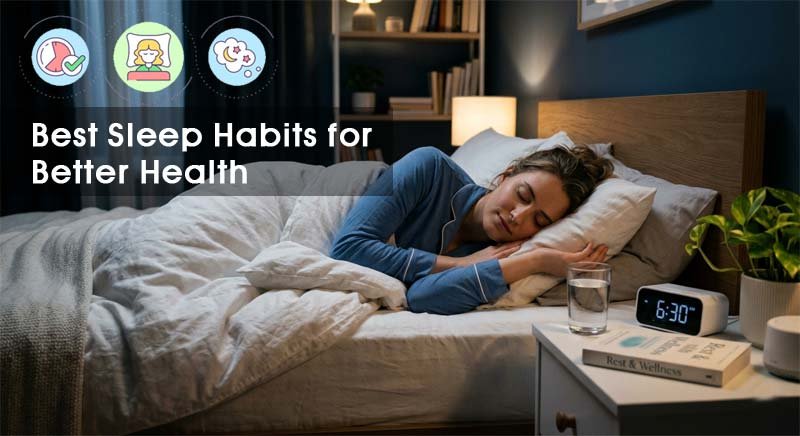
Discover the best sleep habits for better health. Proper sleep is essential for maintaining mental clarity, emotional balance, physical health, and overall well-being. Many people overlook the significance of getting enough sleep in favor of diet and exercise. Energy levels, focus, emotions, immunity, and long-term health can all be impacted by poor sleep patterns.
Poor sleep quality is frequently caused by modern lives, stress, excessive screen time, unhealthy eating habits, and erratic schedules. Lack of sleep can eventually raise the risk of heart disease, obesity, depression, anxiety, and compromised immunity.
Creating sound sleeping practices can be beneficial:
- Improve sleep quality naturally
- Boost energy levels
- Support mental health
- Improve concentration and productivity
- Strengthen the immune system
- Reduce stress and fatigue
You will learn the greatest sleep habits for greater health in this comprehensive book from Health Epics, which includes foods that promote sleep, healthy nighttime rituals, natural sleep improvement strategies, and typical sleep blunders to avoid.
Why Sleep Is Important for Overall Health
The body and mind can recuperate from everyday activities when they sleep. The body repairs tissues, maintains hormone balance, improves memory, and fortifies the immune system when we sleep.
Almost every system in the body is impacted by inadequate sleep.
Benefits of Healthy Sleep Habits
Improves Brain Function
Focus, memory, decision-making, and learning capacity are all enhanced by getting enough sleep.
Supports Mental Health
Stress, anxiety, impatience, and mood swings can all be lessened with enough sleep.
Boosts Immunity
Getting enough sleep boosts immunity and aids in the body’s defense against illnesses.
Helps Maintain Healthy Weight
Hunger hormones and desires for unhealthy foods may rise as a result of sleep deprivation.
Supports Heart Health
Sleeping well lowers cardiac stress and helps control blood pressure.
How Many Hours of Sleep Do You Need?
Age and lifestyle have an impact on sleep needs.
Recommended Sleep Duration
- Adults: 7–9 hours
- Teenagers: 8–10 hours
- Children: 9–12 hours
- Regularly getting less sleep than is advised can have a detrimental impact on general health.
Best Sleep Habits for Better Health
1. Maintain a Consistent Sleep Schedule
Why Sleep Timing Matters
Maintaining a regular bedtime and wake-up time aids in controlling the circadian rhythm, the body’s internal clock. The body may become confused by irregular sleep habits, making it harder to fall asleep.
Benefits of a Regular Sleep Routine
- Enhances quality of sleep
- Promotes quicker sleep
- Lessens daytime weariness
- Boosts energy in the morning
- Maintains hormone balance
Even on the weekends, try to stick to your sleep routine.
2. Create a Relaxing Bedtime Routine
How Bedtime Habits Affect Sleep
A peaceful nightly ritual tells the brain it’s time to unwind and get ready for sleep. Engaging in calming activities prior to bedtime can naturally enhance the quality of your sleep.
Best Bedtime Activities
Reading – Reducing tension and calming the mind can be achieved by reading a book.
Meditation – Anxiety and rushing thoughts can be lessened by meditation.
Deep Breathing Exercises – Breathing slowly promotes better sleep by calming the nervous system.
Gentle Stretching – Before going to bed, a little yoga or stretching might help ease tense muscles.
Steer clear of stimulating activities right before bed.
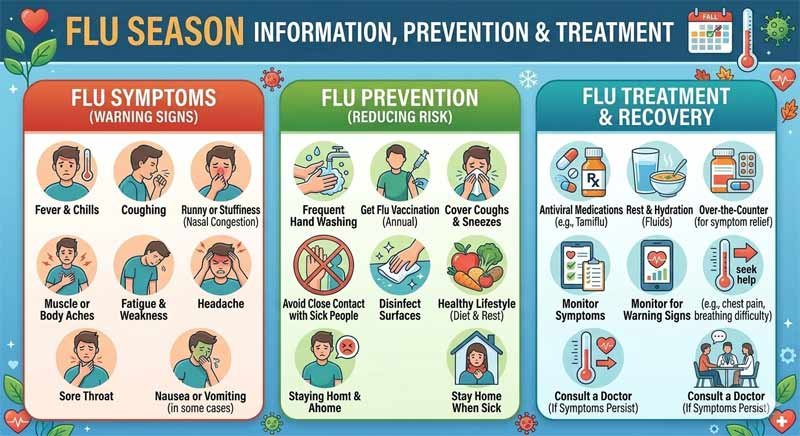
Also visit – What is the Flu Season and When Does it Begin and End?
3. Reduce Screen Time Before Bed
Why Blue Light Affects Sleep
Blue light from computers, phones, tablets, and televisions may disrupt the generation of melatonin. The hormone that controls sleep is called melatonin. It may be more difficult to fall asleep if you spend too much time on screens right before bed.
Healthy Screen Habits
- Steer clear of screens at least an hour before going to bed.
- Make use of the night mode settings
- Avoid placing phones near beds.
- Use social media less at night.
Reducing screen time promotes natural brain relaxation.
4. Exercise Regularly
How Exercise Improves Sleep
Frequent exercise promotes healthy sleep cycles, lowers stress, and elevates happiness. Regular exercisers frequently have deeper, more peaceful sleep.
Best Exercises for Better Sleep
Walking – Walking every day enhances general wellbeing and relaxation.
Yoga – Yoga incorporates breathing and movement exercises that promote mental relaxation.
Strength Training – Strength training improves physical well-being and lowers stress.
Cycling or Jogging – Exercises involving the heart may increase energy and the quality of sleep.
Steer clear of strenuous exercise right before bed.
5. Limit Caffeine and Sugar Intake
How Caffeine Affects Sleep
The neurological system is stimulated by caffeine, which can stay in the body for several hours. Late-day coffee and energy drink consumption can have an impact on the quality of your sleep.
Also visit – Diabetes Symptoms, Prevention and its Treatment
Foods and Drinks to Avoid Before Bed
- Coffee
- Energy drinks
- Soft drinks
- Sugary snacks
- Excess chocolate
Sleep can be naturally improved by cutting back on stimulants in the evening.
6. Keep Your Bedroom Comfortable
Why Sleep Environment Matters
A cozy bedroom can greatly enhance the quality of your sleep.
Tips for a Better Sleep Environment
- Maintain a cool environment
- Lower the volume of noise
- Make use of cozy bedding and pillows
- Make sure the space is dark.
- Ensure adequate ventilation
Deeper sleep is facilitated by a tidy and peaceful bedroom.
Also visit – 10 Foods That Burn Belly Fat Fast Naturally | Weight Loss Tips
7. Avoid Heavy Meals Before Bed
How Late Eating Impacts Sleep
Eating large or spicy meals right before bed might induce discomfort and indigestion that keeps you from falling asleep.
- Eat dinner earlier
- Avoid overeating at night
- Choose lighter evening meals
If hungry before bed, choose healthy snacks such as:
- Bananas
- Yogurt
- Almonds
- Herbal tea
8. Manage Stress and Anxiety
Stress and Poor Sleep Connection
One of the main reasons for insomnia and poor sleep quality is stress. Anxiety and overthinking can keep the brain active at night.
Natural Ways to Reduce Stress Before Sleep
Meditation and Mindfulness – Calming racing thoughts are facilitated by mindfulness.
Journaling – Mental stress may be lessened by writing down ideas.
Relaxing Music – Calm music or the sounds of nature can help you unwind.
Deep Breathing – The nervous system is automatically calmed by breathing exercises.
Both mental health and sleep quality are enhanced by stress management.
9. Get Natural Sunlight During the Day
How Sunlight Helps Sleep
The body’s internal clock is regulated and melatonin production is enhanced by exposure to natural lighting.
Benefits of Sunlight Exposure
- Encourages regular sleep cycles
- Enhances mood
- Boosts awareness during the day
- Promotes hormone equilibrium
Daily outside time could enhance the quality of your sleep at night.
10. Avoid Excessive Daytime Naps
Can Naps Affect Night Sleep?
While long naps throughout the day can disrupt sleep at night, short naps might increase energy.
Healthy Nap Tips
- Limit naps to 30 minutes.
- Steer clear of naps in the late afternoon.
Healthy sleep patterns are supported by balanced napping practices.
Best Foods for Better Sleep
The quality of sleep is significantly influenced by nutrition.
Foods That May Improve Sleep Naturally
Bananas – Magnesium and potassium found in bananas aid in muscle relaxation.
Almonds – Healthy fats and magnesium are found in almonds.
Oats – Oats are rich in complex carbs and melatonin.
Chamomile Tea – Chamomile tea may promote relaxation and mental calmness.
Kiwi – Antioxidants and serotonin found in kiwis may enhance the quality of sleep.
Common Sleep Mistakes to Avoid
Irregular Sleep Schedules – The body clock may be thrown off if you sleep at various times every day.
Using Phones in Bed – Exposure to screens slows sleep and stimulates the brain.
Consuming Too Much Caffeine – Overindulgence in caffeine may lower the quality of sleep.
Sleeping in a Noisy Environment – Deep sleep may be hampered by noise disturbances.
Ignoring Sleep Problems – Long-term sleep problems shouldn’t be disregarded.
Signs of Poor Sleep Quality
Poor sleep may lead to:
- Constant fatigue
- Mood swings
- Difficulty concentrating
- Low energy
- Frequent nighttime waking
- Morning headaches
Improving sleeping patterns can naturally lessen these issues.
Long-Term Benefits of Healthy Sleep Habits
Maintaining regular, healthy sleeping habits can help:
- Improved physical well-being
- Enhanced mental health
- Increased immunity
- A healthy metabolism
- Improved emotional balance
- Lower levels of stress
Long-term health and quality of life depend on getting enough sleep.
Frequently Asked Questions
Which Sleep Practices Are Best for Improved Health?
Some of the healthiest sleep habits include keeping a regular sleep schedule, cutting back on screen time, exercising frequently, and having a relaxing nighttime routine.
How Much Sleep Is Enough?
The majority of adults need seven to nine hours of good sleep each night.
Does Stress Impact the Quality of Sleep?
Indeed. One of the main reasons of insomnia and poor sleep is stress and anxiety.
Which Foods Promote Better Sleep?
Oats, bananas, almonds, kiwis, and chamomile tea may all naturally promote better sleep.
Final Thoughts
Healthy sleep habits are essential for maintaining mental clarity, emotional balance, physical energy, and overall well-being. Although modern lifestyles often disrupt proper sleep, simple changes such as following a consistent bedtime routine, reducing screen time, managing stress, and creating a comfortable sleep environment can naturally improve sleep quality significantly.
At Health Epics, we think that one of the most crucial components of a healthy lifestyle is getting enough sleep. Making adequate sleep a priority can enhance mood, boost immunity, boost productivity, and promote long-term health.
You can naturally experience deeper sleep, better recuperation, enhanced focus, and a happier, more balanced existence by adhering to good sleep habits.