Finding effective weight loss tips for men can feel overwhelming with so many diets, supplements, and fitness trends promising quick results. The truth is that sustainable weight loss doesn’t come from fad diets or miracle products—it comes from building healthy habits that you can maintain over time.
Best Weight Loss Tips for Men to Lose Belly Fat and Build Muscle
According to the Centers for Disease Control and Prevention (CDC), obesity affects a significant percentage of adults in the United States and increases the risk of serious health conditions, including heart disease, type 2 diabetes, high blood pressure, stroke, sleep apnea, and certain cancers. Fortunately, losing even 5% to 10% of your body weight can provide meaningful health benefits.
Whether your goal is to lose belly fat, improve your energy, build lean muscle, or reduce your risk of chronic disease, adopting evidence-based lifestyle changes is the safest and most effective approach.
This comprehensive guide explains practical weight loss strategies specifically for men and provides realistic steps that fit busy American lifestyles.
Why Weight Loss Matters for Men
Maintaining a healthy weight is about much more than appearance. Excess body fat—especially abdominal fat—is associated with several health risks.
Health Benefits of Healthy Weight Loss
Losing excess weight may help:
- Lower blood pressure
- Improve cholesterol levels
- Reduce the risk of type 2 diabetes
- Improve heart health
- Increase energy levels
- Reduce joint pain
- Improve sleep quality
- Enhance mental well-being
- Support healthy testosterone levels
- Increase mobility and physical performance
Even modest weight loss can produce noticeable improvements in overall health.
Common Causes of Weight Gain in Men
Weight gain is usually caused by a combination of dietary habits, physical inactivity, genetics, hormones, stress, and environmental factors.
Sedentary Lifestyle
Many American men spend eight or more hours each day sitting at a desk, driving, or working on computers. Limited daily movement significantly reduces calorie expenditure.
Large Portion Sizes
Restaurant meals and fast-food portions in the United States have increased substantially over the years. Consuming oversized portions often leads to excess calorie intake without realizing it.
Processed and Fast Foods
Foods high in refined carbohydrates, added sugars, unhealthy fats, and sodium are widely available and often more convenient than healthier options.
Examples include:
- Fast-food burgers
- Fried chicken
- Pizza
- Sugary breakfast cereals
- Chips
- Candy
- Sugar-sweetened beverages
These foods tend to be calorie-dense while providing relatively little nutritional value.
Sugary Drinks
Regular consumption of soda, sweet tea, energy drinks, and specialty coffee beverages can add hundreds of extra calories each day without promoting fullness.
Lack of Physical Activity
Exercise is important not only for burning calories but also for preserving muscle mass during weight loss and supporting long-term weight maintenance.
Poor Sleep
Adults who consistently sleep fewer than seven hours per night may experience changes in hormones that regulate hunger and appetite, making overeating more likely.
Chronic Stress
Stress increases the production of cortisol, a hormone that may contribute to emotional eating, increased cravings for high-calorie foods, and abdominal fat accumulation.
Signs You May Benefit From Losing Weight
You may benefit from weight loss if you experience:
- Increased waist circumference
- Difficulty performing daily activities
- Frequent fatigue
- Shortness of breath during exercise
- Joint discomfort
- Poor sleep quality
- High blood pressure
- Elevated cholesterol
- Prediabetes or type 2 diabetes
- Reduced physical endurance
If you have concerns about your weight or health, speak with your healthcare provider before beginning a weight loss program.
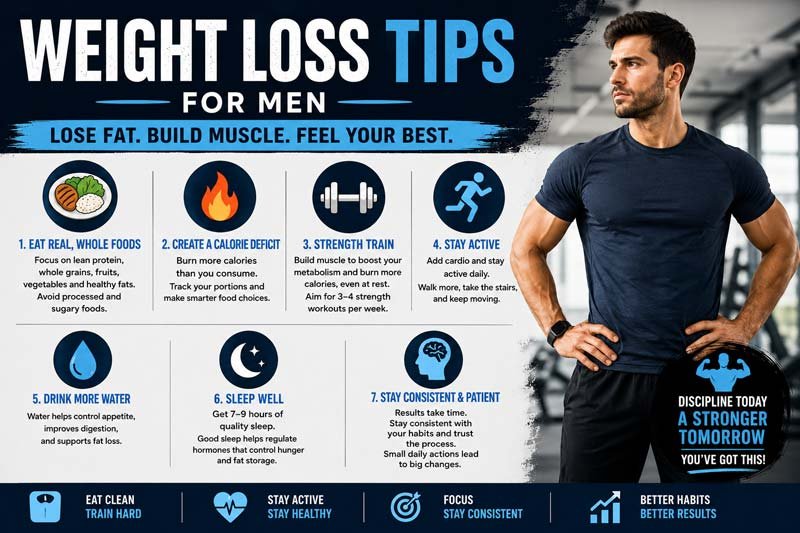
Best Weight Loss Tips for Men
Successful weight loss is based on creating healthy habits that are sustainable over the long term.
1. Create a Moderate Calorie Deficit
Weight loss occurs when you consistently burn more calories than you consume.
Rather than drastically restricting calories, aim for a moderate calorie deficit that supports gradual weight loss while maintaining energy levels and muscle mass.
For most men, losing 1–2 pounds per week is considered a safe and realistic goal.
Practical Ways to Reduce Calories
- Eat smaller portions.
- Avoid mindless snacking.
- Choose grilled foods instead of fried foods.
- Limit sugary beverages.
- Reduce late-night eating.
- Read Nutrition Facts labels when shopping.
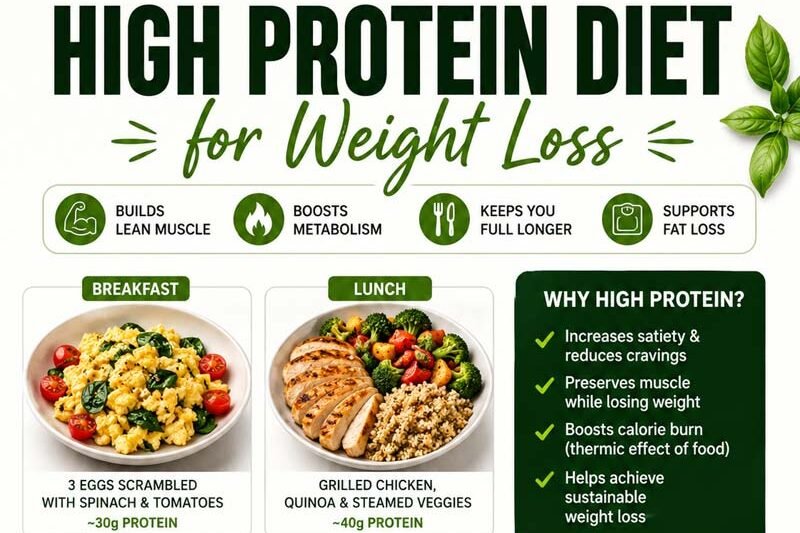
2. Prioritize Protein at Every Meal
Protein is one of the most important nutrients during weight loss.
It helps:
- Increase fullness
- Preserve lean muscle
- Support metabolism
- Reduce hunger between meals
- Improve recovery after exercise
Healthy Protein Sources
- Skinless chicken breast
- Turkey
- Eggs
- Fish
- Greek yogurt
- Cottage cheese
- Beans
- Lentils
- Tofu
- Lean beef
Aim to include a quality protein source with every meal.
3. Eat More High-Fiber Foods
Fiber slows digestion, promotes fullness, and supports digestive health.
Many Americans consume less fiber than recommended.
High-Fiber Foods
- Oatmeal
- Brown rice
- Quinoa
- Apples
- Berries
- Broccoli
- Spinach
- Carrots
- Black beans
- Chickpeas
- Lentils
Replacing refined grains with whole grains can improve satiety and reduce overeating.
4. Limit Added Sugar
Excess added sugar contributes unnecessary calories without providing significant nutritional benefits.
Foods high in added sugar include:
- Soda
- Sweetened coffee drinks
- Candy
- Cookies
- Cakes
- Ice cream
- Pastries
- Sweetened cereals
Instead, choose naturally sweet foods like fresh fruit when possible.
5. Choose Healthy Fats
Not all fats are unhealthy.
Healthy fats support hormone production, heart health, and satiety.
Healthy Fat Sources
- Avocados
- Olive oil
- Almonds
- Walnuts
- Pistachios
- Chia seeds
- Flaxseeds
- Natural peanut butter
Consume these foods in moderation since they are calorie-dense.
6. Drink More Water
Staying hydrated supports overall health and may help reduce unnecessary snacking caused by thirst.
Practical hydration tips include:
- Carry a reusable water bottle.
- Drink water before meals.
- Replace sugary drinks with water or unsweetened sparkling water.
- Increase water intake during exercise or hot weather.
7. Reduce Fast Food Consumption
Fast food is often high in calories, saturated fat, sodium, and added sugars.
If eating out is unavoidable, choose healthier options such as:
- Grilled chicken sandwiches
- Salads with lean protein
- Burrito bowls with vegetables
- Grilled seafood
- Fresh fruit instead of fries
Making healthier choices consistently can significantly reduce daily calorie intake.
8. Practice Mindful Eating
Many men eat while watching television, working, or scrolling on their phones.
Mindful eating encourages greater awareness of hunger and fullness cues.
Tips for Mindful Eating
- Eat slowly.
- Chew food thoroughly.
- Avoid distractions during meals.
- Stop eating when comfortably full.
- Pay attention to portion sizes.
These habits can naturally reduce calorie intake without feeling overly restrictive.
9. Build Muscle with Strength Training
Strength training is one of the most effective weight loss tips for men because it helps preserve and build lean muscle while reducing body fat. Muscle tissue burns more calories than fat, even when you’re at rest, making strength training an important part of a long-term weight management plan.
The American Heart Association recommends including muscle-strengthening activities at least two days per week in addition to regular aerobic exercise.
Benefits of Strength Training
- Builds lean muscle mass
- Boosts metabolism
- Supports healthy weight loss
- Improves bone strength
- Enhances balance and posture
- Increases overall strength
- Helps maintain weight loss over time
Beginner Strength Training Exercises
- Bodyweight squats
- Push-ups
- Lunges
- Planks
- Glute bridges
- Resistance band exercises
- Dumbbell rows
- Shoulder presses
Start with two or three sessions each week and gradually increase the intensity as your fitness improves.
Also Visit – Home Workout Plan Without Equipment for Beginners
10. Add Regular Cardiovascular Exercise
Cardio helps burn calories, improves heart health, and supports weight loss.
The CDC recommends that adults get at least 150 minutes of moderate-intensity aerobic activity or 75 minutes of vigorous-intensity activity each week.
Good Cardio Exercises
- Brisk walking
- Jogging
- Cycling
- Swimming
- Hiking
- Rowing
- Dancing
- Jump rope
Choose activities you enjoy so you’re more likely to stay consistent.
11. Increase Daily Physical Activity
Exercise is important, but so is staying active throughout the day.
Simple lifestyle changes can increase the number of calories you burn.
Easy Ways to Move More
- Take the stairs instead of the elevator.
- Park farther away from entrances.
- Walk during lunch breaks.
- Stand up every hour if you work at a desk.
- Walk while talking on the phone.
- Do household chores or yard work.
- Take morning walks with family or friends.
Small changes throughout the day can make a big difference over time.
12. Get Enough Sleep
Sleep is often overlooked but plays a major role in weight management.
Insufficient sleep may increase hunger hormones while reducing hormones that help you feel full. Poor sleep can also lower energy levels, making it harder to stay active.
Tips for Better Sleep
- Aim for 7–9 hours of sleep each night.
- Maintain a consistent bedtime.
- Keep your bedroom cool, dark, and quiet.
- Avoid large meals close to bedtime.
- Limit screen time before bed.
- Reduce caffeine intake in the evening.
Quality sleep supports healthy eating habits and exercise performance.
13. Manage Stress Effectively
Chronic stress can lead to emotional eating, increased cravings, and weight gain. Finding healthy ways to manage stress can improve both physical and mental health.
Healthy Stress Management Techniques
- Deep breathing exercises
- Meditation
- Yoga
- Walking outdoors
- Journaling
- Listening to music
- Spending time with family and friends
Reducing stress can help prevent overeating and support long-term weight loss.
14. Plan Your Meals Ahead of Time
Meal planning helps reduce impulsive food choices and makes it easier to stay within your calorie goals.
Meal Planning Tips
- Prepare meals for the week.
- Keep healthy snacks available.
- Make a grocery list before shopping.
- Cook more meals at home.
- Store healthy leftovers for busy days.
Planning ahead reduces the temptation to rely on fast food or takeout.
Also Visit – Best Foods for Weight Loss: A Complete Healthy Eating Guide
15. Track Your Progress
Monitoring your progress can help you stay motivated and identify areas for improvement.
Instead of focusing only on the number on the scale, consider tracking:
- Waist circumference
- Body weight
- Progress photos
- Strength improvements
- Energy levels
- Daily step count
- Workout consistency
Weight naturally fluctuates, so focus on long-term trends rather than daily changes.
16. Set Realistic Goals
Healthy weight loss takes time.
Instead of aiming for rapid results, focus on building habits you can maintain for years.
Examples of realistic goals include:
- Walking 30 minutes five days per week
- Eating vegetables with every dinner
- Drinking more water each day
- Strength training three times weekly
- Losing 1–2 pounds per week
Small, consistent improvements often produce the best long-term results.
Foods That Support Healthy Weight Loss
Choosing nutrient-dense foods can help you stay full while supporting your health goals.
Lean Proteins
- Chicken breast
- Turkey
- Fish
- Eggs
- Greek yogurt
- Cottage cheese
- Tofu
Whole Grains
- Oatmeal
- Brown rice
- Quinoa
- Whole wheat bread
- Whole grain pasta
Fruits
- Apples
- Berries
- Oranges
- Grapefruit
- Pears
Vegetables
- Broccoli
- Spinach
- Kale
- Bell peppers
- Cauliflower
- Green beans
Healthy Fats
- Avocados
- Olive oil
- Almonds
- Walnuts
- Pistachios
- Chia seeds
Foods to Limit
Reducing these foods may help support healthy weight loss.
- Sugary drinks
- Candy
- Cookies
- Cakes
- Chips
- Fried foods
- Fast food
- Processed meats
- White bread
- Excess alcohol
These foods can be enjoyed occasionally, but moderation is key.
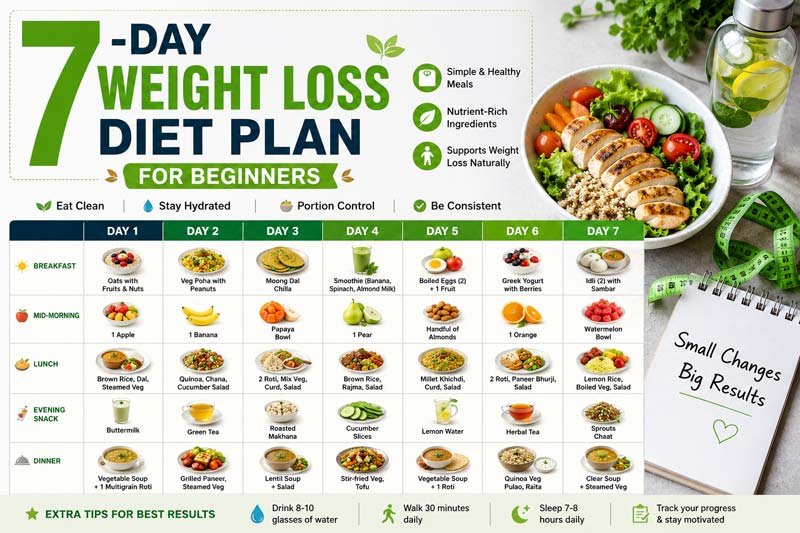
Also visit – High Protein Diet for Weight Loss
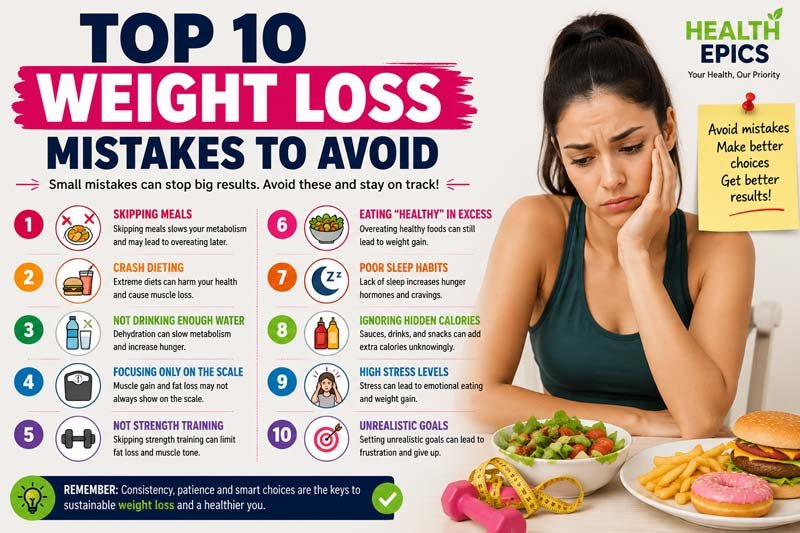
Common Weight Loss Mistakes Men Should Avoid
Many men unintentionally slow their progress by making common mistakes.
Skipping Meals
Skipping meals often leads to overeating later in the day.
Following Crash Diets
Very low-calorie diets are difficult to maintain and may lead to muscle loss.
Relying on Supplements
No supplement can replace healthy eating and regular exercise.
Ignoring Strength Training
Focusing only on cardio may result in muscle loss during weight reduction.
Drinking Calories
Sugary beverages, alcohol, and specialty coffee drinks can contribute hundreds of extra calories.
Expecting Immediate Results
Healthy weight loss is gradual. Consistency matters more than speed.
When Should Men Talk to a Doctor About Weight Loss?
Consult a healthcare provider if you:
- Have severe obesity
- Have diabetes, heart disease, or high blood pressure
- Experience unexplained weight changes
- Have difficulty losing weight despite healthy habits
- Are considering weight loss medications
- Have symptoms of a hormonal disorder
A healthcare professional can help identify underlying medical conditions and recommend the safest treatment plan.
Frequently Asked Questions
What are the best weight loss tips for men?
The best weight loss tips for men include eating a balanced diet rich in protein and fiber, maintaining a calorie deficit, exercising regularly, strength training at least twice a week, getting enough sleep, managing stress, and staying consistent with healthy habits.
How can men lose belly fat?
There is no way to target fat loss from a specific area of the body. Men can reduce belly fat by creating a calorie deficit through healthy eating, regular physical activity, strength training, and adequate sleep. As overall body fat decreases, abdominal fat typically decreases as well.
How much weight can a man safely lose in a week?
According to health experts, losing 1 to 2 pounds per week is considered a safe and sustainable rate of weight loss for most adults.
Is cardio or strength training better for weight loss?
Both are beneficial. Cardio helps burn calories, while strength training builds and preserves lean muscle, which supports metabolism. Combining both forms of exercise provides the best long-term results.
What foods should men eat to lose weight?
Focus on nutrient-dense foods such as:
- Lean proteins
- Fruits
- Vegetables
- Whole grains
- Legumes
- Low-fat dairy
- Nuts and seeds
- Healthy fats in moderation
Limiting processed foods, sugary drinks, and excess added sugars can also support healthy weight loss.
How much protein do men need to lose weight?
Protein needs vary depending on age, activity level, body weight, and overall health. Including a source of lean protein with each meal can help support muscle maintenance and increase feelings of fullness. If you have specific dietary needs, consult a registered dietitian or healthcare provider.
Can men lose weight without going to the gym?
Yes. Walking, jogging, cycling, bodyweight exercises, home workouts, and other physical activities can all contribute to weight loss when combined with healthy eating habits.
Does drinking more water help with weight loss?
Drinking enough water supports overall health and may help reduce unnecessary calorie intake by replacing sugary beverages and promoting feelings of fullness before meals.
Why is it harder to lose weight as men get older?
As men age, metabolism may slow, muscle mass naturally declines, and physical activity levels often decrease. Maintaining strength training, regular exercise, and balanced nutrition can help offset these age-related changes.
How long does it take to see weight loss results?
Results vary based on starting weight, diet, activity level, and consistency. Many people begin noticing improvements in energy, fitness, and body composition within a few weeks, while significant weight loss typically occurs over several months of sustained healthy habits.
Conclusion
Following evidence-based weight loss tips for men can help you achieve and maintain a healthier weight while improving your overall well-being. Instead of relying on fad diets or quick fixes, focus on building sustainable habits such as eating nutritious foods, controlling portion sizes, exercising regularly, getting enough sleep, and managing stress effectively.
Healthy weight loss is a gradual process, and lasting results come from consistency rather than perfection. Even modest weight loss can reduce the risk of chronic conditions such as heart disease, type 2 diabetes, and high blood pressure while improving energy levels, mobility, and quality of life.
By making realistic lifestyle changes and following recommendations from trusted organizations like the CDC, NIH, and American Heart Association, you can create a weight loss plan that supports your health for years to come.