
Your mental health affects how you think, feel, and behave daily. Your mental health impacts nearly every part of your life, whether you’re balancing a busy career, raising a family, managing money, or just trying to stay healthy. Fortunately, there are many natural techniques to improve mental health that can help you feel more resilient, lessen stress in your day-to-day life, and improve your overall quality of life.
Natural treatments are not intended to substitute for professional treatment of conditions such as depression, anxiety disorders, or other mental ailments. But they can assist with medical care and improve mental well-being in daily life. The good news is that substantial benefits often come from simple regular habits rather than major lifestyle changes.
This guide explores practical, evidence-based strategies to support your mental well-being in the context of modern American life by Health Epics.
What Are the Best Tips to Improve Mental Health Naturally?
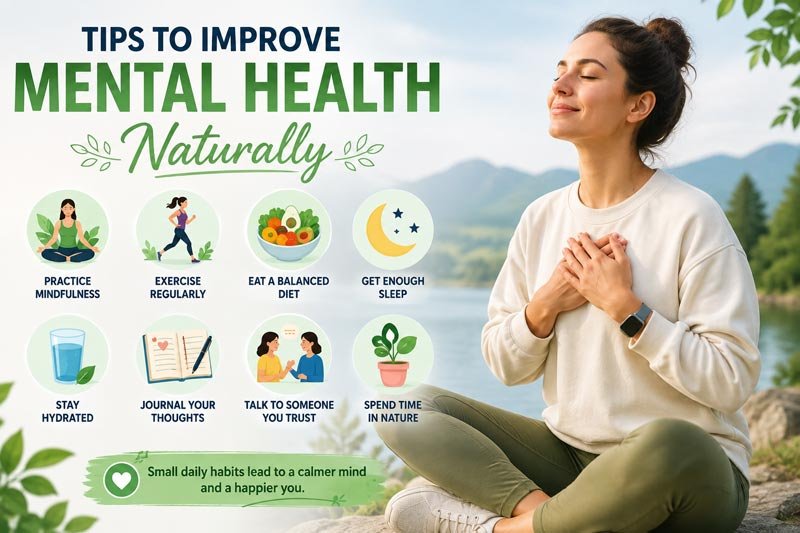
There is no “one size fits all” approach to improving mental health. Instead, the key to long-term mental health is a combination of healthy regular practices.
Some of the best natural methods include:
- Making quality sleep a nightly priority.
- Stay active during the week.
- Eat a balanced diet of whole foods.
- Mindfulness and relaxation exercises.
- Generating meaningful social interactions.
- Being outside.
- Putting too many limits on screen time.
- Developing a good daily habit.
Regularly practiced habits can help improve mood, reduce stress, boost energy and build emotional resilience.
Why Mental Health Matters
Mental health is often discussed only when there is a problem, but emotional well-being should be afforded the same importance as heart health, diet, and physical fitness. How you think, feel and deal with stress affects how well you function at work, your relationships, your choices and your overall enjoyment of life.
Also Visit – How to Improve Your Immune System Naturally
Many adults in the United States experience many obstacles that cause stress to their mental health. These challenges include:
• Extended hours at work and desk jobs
• Security worries
• Family obligations
• Poor sleep habits
• Too much screen time
• Low level of physical activity
• Diets rich in processed foods
Left unchecked with healthy lifestyle practices, these variables can lead to emotional weariness, decreased motivation, and increased stress over time.
Mental Health Influences Every Part of Daily Life:
Healthy Daily Habits
↓
Better Physical Health
↓
Lower Stress Levels
↓
Improved Focus and Productivity
↓
Stronger Relationships
↓
Better Overall Mental Well-Being
Don’t wait until stress becomes excessive; adopting little, preventive efforts every day will help protect your mental health in the long run.
1. Make Quality Sleep a Daily Priority
Sleep is one of the most important parts of mental health. During sleep, your brain processes information, controls emotions, strengthens memory, and recovers energy. Irritability, tiredness, and issues concentrating are all enhanced by insufficient sleep, and it can make even the simplest problems appear larger.
The NIH recommends that most adults need 7 to 9 hours of sleep per night. Getting enough sleep regularly can assist promote mental sharpness, emotional stability, and overall health.
Many people struggle to get to sleep because of late-night screen use, erratic work schedules, stress or overconsumption of caffeine. The secret to improved sleep isn’t usually about spending more time in bed but rather about having a consistent bedtime routine.
Simple Habits That Support Better Sleep
- Try to go to bed and wake up at the same time each day.
- Make sure your bedroom is cold, quiet, and dark.
- Don’t eat big meals before bed.
- Reduce screen time in the hour before bedtime.
- Cut out caffeine in the evening.
Better Sleep Leads to Better Mental Health
Consistent Sleep Schedule
↓
Higher Sleep Quality
↓
Better Emotional Regulation
↓
Improved Focus
↓
Reduced Daily Stress
Small changes to your nightly routine can result in better sleep quality and mental well-being in the long run.
2. Stay Physically Active Throughout the Week
Exercise is good for your body and your brain. Regular physical exercise triggers the production of endorphins and other natural compounds that assist in enhancing mood and reducing feelings of stress.
The CDC recommends that individuals acquire a minimum of 150 minutes per week of moderate-intensity aerobic activity and muscle-strengthening exercises at least two days a week.
Also Visit – Best Foods During Pregnancy: Complete Nutrition Guide
The good news is you don’t need fancy equipment or long exercises to enjoy these benefits. It is consistency that matters much more than intensity.
Everyday Activities Count
Physical activity can be done in many ways:
- Walking around your neighbourhood
- Riding a bicycle
- Gardening
- Swimming
- Yoga
- Dancing
- Playing with children
- Hiking local trails
Even a quick walk for 20 to 30 minutes during your lunch break or after dinner might help relieve tension and enhance your mood.
3. Eat Foods That Support Brain Health
The link between nutrition and mental health has become a significant subject of inquiry. There’s hardly one meal that prevents mental health disorders, but a healthy diet gives your brain the nutrients it needs to work properly.
Highly processed foods are high in added sugars, harmful fats, and refined carbs, which can lead to poor nutritional quality and energy swings. By replacing some of these foods with nutrient-dense alternatives, you can promote your physical and emotional well-being.
Foods That Support a Healthy Brain
| Food Group | Key Nutrients | Potential Benefits |
| Fatty fish | Omega-3 fatty acids | Supports brain function |
| Leafy greens | Folate, vitamin K | Supports cognitive health |
| Berries | Antioxidants | Helps protect brain cells |
| Whole grains | Fiber, B vitamins | Provides steady energy |
| Nuts and seeds | Healthy fats, magnesium | Supports normal brain function |
| Beans and lentils | Fiber and protein | Helps stabilize energy levels |
Instead of dieting in a restricted way, try focusing on making better choices one meal at a time. Replacing sugary drinks with water, adding veggies to your lunch, or eating more whole-grain foods are practical changes that may be sustained over the long haul.
4. Practice Mindfulness Every Day
It is a fact of life, but how you cope with it can damage your mental health. The practice of mindfulness is about learning to live in the present, not to think about the future or dwell on the past.
Mindfulness practices can reduce stress, improve concentration, and help with emotional resiliency, according to research.
Mindfulness doesn’t require any special equipment or hours of meditation. Breathing with intention for five minutes can assist to calm you down.
Also Visit – Best Morning Workout for Weight Loss
5. Spend More Time Outdoors
With the modern lifestyle, a lot of times people are inside most of the day. Office employment, commuting, television, and cellphones may reduce the opportunity to spend time in outdoor areas.
Fresh air, sunlight, and green places provide an opportunity to detach from the everyday stresses while encouraging exercise and relaxation. Whether you visit a neighborhood park, tend a garden or just take a walk outside, spending time in nature may be a significant element of a healthy lifestyle.
Practical Ways to Spend More Time Outside:
- Take a walk in the morning before work.
- Weather permitting, have lunch outside.
- Go to a neighbourhood park on the weekends.
- Gardening at home
- Take your dog for a walk more often.
- Swap out one indoor workout a week for an outdoor activity.
Weekly Nature Challenge
Try to get out for 20 to 30 minutes each day, over the next seven days. You don’t need to work out at this time. Walks, reading, or just relaxing in a natural environment can be a nice escape from devices and daily stress.
6. Strengthen Your Social Connections
Humans are social by nature, and meaningful interactions have a significant role in emotional well-being. Social media makes it simpler to stay connected, but online connections don’t always offer the same emotional support as face-to-face talks or meaningful time with loved ones.
Good relationships help you feel less lonely, offer you support when you’re having a hard time, and increase your capacity to handle ordinary stress. It can make a huge difference to have one or two trusted persons you can talk to.
Don’t obsess over how many friends you have. Instead, focus on developing connections that are built on trust, respect, and real communication.
Healthy Ways to Stay Connected
- Schedule regular family calls (phone or video). – Meet a friend for coffee or a walk
- Participate in a local fitness class or community group.
- Volunteer for a cause that is important to you.
- Have uninterrupted time with your family at mealtime.
Life can get busy, and it can feel like there’s no time for relationships, but even small moments of connection can make a difference in your mood.
7. Reduce Screen Time and Social Media Overload
Smartphones, tablets, and laptops are a part of life these days. But excessive screen usage can cause stress, lost productivity, poor sleep and constant brain stimulation.
Many Americans check their phones dozens of times a day, frequently without even realizing it. People can feel mentally drained by endless reading, news updates, and social media comparisons.
That doesn’t mean you have to give up technology entirely. It’s about healthier limits instead.
Also Visit – What is the Flu Season and When Does it Begin and End?
8. Learn Healthy Ways to Manage Stress
Stress is a normal part of life. But when it becomes chronic, it can impair both physical and mental health. Deadlines, money problems, caring for others, and life events that take us by surprise can all add to a feeling of constant pressure.
You might not be able to get rid of all stress, but you can build healthy strategies to manage with it.
Don’t ignore stress or expect it to go away; acquire actual coping strategies that you can apply in your regular life.
9. Practice Gratitude Every Day
Gratitude is not simply saying “thank you.” It’s about deliberately noticing the positive in your life, even when things are rough.
Research indicates that practicing gratitude can boost emotional health by redirecting attention from negative thinking and encouraging people to appreciate everyday moments.
You don’t need a fancy practice to get the rewards of gratitude.
10. Build a Daily Routine
Routines provide structure, alleviate decision fatigue, and give us a sense of stability. When life feels uncertain, established routines can make each day more doable.
Your routine doesn’t need to be rigorous or complicated. Even a simple schedule might help with mental wellness.
FAQs (Frequently Asked Questions)
1. What are some of the best natural ways to improve mental health?
The best natural remedies include;
- Getting a good night’s sleep
- Steady activity
- A healthy diet
- Mindfulness practice
- Stress management
- Being outdoors
- Keeping up social contacts
- An excellent routine for the day
2. Can exercise improve your mental health?
Yes, Exercise is also good for your mental health. It can boost your mood, reduce stress, help you sleep better, and increase your overall energy levels. The CDC recommends adults obtain at least 150 minutes of moderate-intensity physical activity per week.
3. How does sleep affect mental health?
If you receive enough, good quality sleep enhances brain function, helps to control emotions, and improves memory. Sleep deprivation can make you cranky, agitated, and difficult to concentrate.
4. What foods are helpful for mental health?
Eat a nutritious diet: A balanced diet containing a lot of fruits, vegetables, whole grains, lean meats, fatty fish, nuts, seeds, and legumes can provide nutrients that promote excellent brain function and general wellness.
5. Can stepping outside help improve your mental health?
Being in nature can help many people de-stress, improve their mood, and get more physical activity. A quick excursion out might be a mental refresher.
6. Is mindfulness helpful in stress relief?
Mindfulness exercises such as meditation and deep breathing can help reduce stress and increase focus and emotional stability.
7. How much exercise is healthy for the brain?
CDC advises that people get 150 minutes a week of moderate-intensity aerobic activity and muscle-strengthening activities on two or more days a week.
8. Why is social involvement important for mental health?
Good interactions can improve people’s emotional health and assist them in dealing with life’s hardships, and reduce loneliness.
9. What are the detrimental impacts of too much screen time on mental health?
More screen time for fun can entail less sleep, more stress, less concentration, and negative social comparisons. Set appropriate boundaries with technology.
10. How long does it take for someone’s mental health to improve?
Some of them take longer than others to get there. For some, the benefits of healthy habits will come in weeks. Others will take longer. It is not speed; it is consistency.
Also Visit – Diabetes Symptoms, Prevention and its Treatment
Final Thoughts
Good mental health is the result of daily decisions, not one-time fixes. Making sleep a priority, staying active, eating nutritious meals, managing stress, and maintaining supportive relationships can have a long-lasting good impact on your emotional well-being. Try these evidence-based techniques to naturally improve mental health and add to your routine to build a healthier lifestyle that benefits your mind and body for years to come.