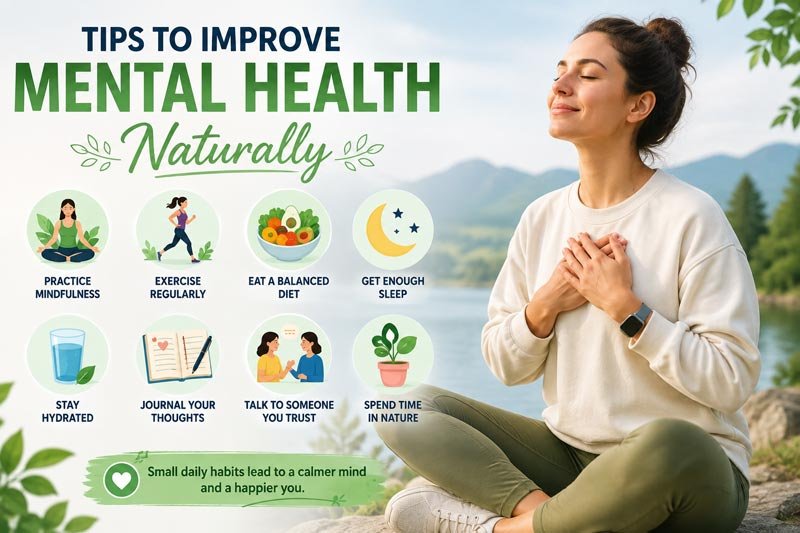

Extreme diets, costly supplements, or difficult exercise plans are not necessary for leading a healthier life. Your overall quality of life, mental well-being, and physical health can all be significantly affected by small daily routines. In actuality, regular lifestyle choices—rather than radical adjustments—are often the source of the greatest health gains.
Daily Health Tips for a Better Life
The goal of these 50 Daily Health Tips for a better life is to help Americans gradually improve their well-being. These useful techniques can help you create a better future, regardless of whether you have a desk job, experience stress, need more energy, or just want to stay healthy as you get older.
The Centers for Disease Control and Prevention (CDC), the National Institutes of Health (NIH), and the American Heart Association are just a few of the institutions that regularly stress the significance of healthy lifestyle choices for longevity and illness prevention.
Also Visit – Best Morning Workout for Weight Loss
Let’s explore the routines that might significantly impact your life.
What Are Daily Health Tips?
Simple, research-proven lifestyle choices that promote mental, emotional, and physical well-being are known as daily health recommendations. These practices can boost mood, increase energy, prevent chronic illnesses, and encourage healthy aging.
Daily health practices emphasize sustainability and consistency, in contrast to transient health trends. Regular small acts often yield better long-term outcomes than sporadic extreme attempts.
Examples include:
- Drinking enough water
- Eating nutritious meals
- Exercising regularly
- Managing stress
- Getting quality sleep
- Practicing good hygiene
- Maintaining social connections
Causes and Risk Factors for Poor Health
Adult Americans’ health is deteriorating due to a variety of modern lifestyle problems.
Typical risk factors consist of:
Sedentary Lifestyle
Many people spend eight to ten hours a day watching devices, driving, or sitting at workstations, which lowers their levels of physical exercise.
Poor Diet Choices
Oversized servings, processed snacks, sugary drinks, and fast meals can all lead to obesity and chronic illness
Chronic Stress
Stress hormones can be elevated and have a detrimental impact on health due to work pressure, financial worries, family obligations, and technology overload.
Inadequate Sleep
Millions of Americans routinely sleep fewer than the recommended 7 to 9 hours every night.
Smoking and Excessive Alcohol Use
These behaviors greatly raise the risk of liver disease, cancer, heart disease, and other major illnesses.
Lack of Preventive Care
Health problems may go unnoticed if yearly examinations and screenings are skipped.
Signs and Symptoms of an Unhealthy Lifestyle
Numerous warning indicators are typically indicative of poor health behaviors.
Typical signs could be:
- Low energy
- Frequent fatigue
- Poor sleep quality
- Weight gain
- High blood pressure
- Digestive problems
- Mood swings
- Anxiety
- Frequent illness
- Reduced physical fitness
- Chronic inflammation
Early detection of these indicators can inspire healthy lifestyle modifications.
Benefits of Following Daily Health Tips
Making healthy decisions on a regular basis has several advantages.
Physical Benefits
- Improved cardiac health
- A more robust immune system
- Maintaining a healthy weight
- Better digestion
- Reduced chance of developing chronic illness
Mental Benefits
- lower tension
- Improved concentration and focus
- A happier mood
- Increased resilience
- A decrease in anxiety
Long-Term Benefits
- A longer lifespan
- A higher standard of living
- Lower medical expenses
- Increased autonomy as you become older
50 Daily Health Tips for a Better Life
Nutrition and Hydration
1. Start your day with water.
Soon after you wake up, get a big glass of water.
2. Eat a healthy breakfast.
Pick foods high in protein, like oats, Greek yogurt, and eggs.
3. Fill half your plate with vegetables.
For lunch and dinner, try to eat colorful veggies.
4. Eat more fruits daily.
Fresh fruits provide vitamins, minerals, and fiber.
5. Choose whole grains.
Brown rice, quinoa, or whole-wheat bread can be used in place of refined grains.
6. Increase fiber intake.
Digestion and heart health are supported by fiber.
7. Limit sugary drinks.
Cut back on energy drinks, sugary tea, and soda.
8. Read nutrition labels.
Be mindful of portion sizes, sugar, and sodium.
9. Practice portion control.
Avoid overindulging and use smaller portions.
10. Stay hydrated throughout the day.
The majority of adults benefit from drinking water on a regular basis.
11. Reduce processed foods.
Whenever possible, select fresh, less processed foods.
12. Include healthy fats.
Nuts, seeds, avocados, and olive oil all promote general health.
13. Choose lean proteins.
Beans, lentils, fish, and chicken are great choices.
14. Avoid excessive late-night snacking.
Eating right before bed might have an impact on digestion and sleep.
15. Plan meals.
Preparing meals lowers the selection of bad foods.
Physical Activity Tips
16. Walk daily.
Try to walk for at least half an hour.
17. Take movement breaks.
If you work at a desk, get up every hour.
18. Use stairs whenever possible.
Over time, little movements build up.
19. Strength train twice weekly.
Maintaining muscular mass is aided by resistance training.
20. Stretch regularly.
Mobility and injury prevention are enhanced by flexibility.
21. Try bodyweight exercises.
Planks, squats, and push-ups work well.
22. Park farther away.
Include additional actions in your plan.
23. Exercise with a friend.
Consistency is enhanced by accountability.
24. Find activities you enjoy.
Enjoyable exercises include dancing, cycling, hiking, and swimming.
25. Reduce prolonged sitting.
Health hazards have been associated with prolonged sitting.
Sleep and Recovery Tips
26. Maintain a consistent sleep schedule.
Every day, go to bed and wake up at the same hour.
27. Aim for 7–9 hours of sleep.
For optimum health, adults must get enough sleep.
28. Limit screen time before bed.
Sleep can be disrupted by blue light.
29. Keep your bedroom cool and dark.
A cozy setting encourages deeper sleep.
30. Avoid caffeine late in the day.
The quality of sleep may be affected by caffeine.
Mental Health and Stress Management
31. Practice gratitude.
Every day, list three things for which you are grateful.
32. Spend time outdoors.
Being in nature can lift your spirits and lessen stress.
33. Practice deep breathing.
The nervous system can be calmed with breathing exercises.
34. Take short mental breaks.
Take occasional breaks while working.
35. Limit social media use.
Overuse could be a stress factor.
36. Stay connected with loved ones.
Mental health is supported by strong relationships.
37. Laugh more often.
Stress hormones can be lowered by humor.
38. Practice mindfulness.
Concentrate on the here and now.
39. Seek help when needed.
Expert assistance can be beneficial.
40. Engage in hobbies.
Engaging in enjoyable activities enhances your emotional health.
Preventive Health Habits
41. Wash your hands regularly.
Maintaining good hygiene lowers the chance of infection.
42. Keep vaccinations current.
Follow the advice of your healthcare provider.
43. Schedule annual health checkups.
Early detection is supported by preventive care.
44. Monitor blood pressure.
There are frequently no signs of high blood pressure.
45. Wear sunscreen daily.
Prevent UV damage to your skin.
46. Avoid smoking.
Almost all organs are harmed by smoking.
47. Limit alcohol consumption.
Long-term health is supported by moderation.
48. Practice safe driving habits.
Always use seat belts.
49. Maintain a healthy weight.
Maintaining a healthy weight promotes general well-being.
50. Make health a lifelong priority.
More important than perfection is consistency.
Also Visit – Best Diet for Thyroid: Foods to Eat, Foods to Avoid
Best Natural Solutions for Better Health
When paired with good lifestyle choices, natural methods can promote general wellness.
Among the suggested tactics are:
- Consuming foods high in nutrients
- Regular exercise
- Obtaining restful sleep
- Effective stress management
- Maintaining hydration
Long-term health outcomes can be greatly enhanced by these practices.
Best Foods for Americans
The following items are easily incorporated into American diets and offer superior nutritional value:
Fatty Fish
Omega-3 fatty acids can be found in trout, salmon, and sardines.
Leafy Greens
Collard greens, kale, and spinach all promote general health.
Berries
Antioxidants can be found in blueberries, strawberries, and raspberries.
Beans and Legumes
Abundant in plant-based protein and fiber.
Nuts and Seeds
Healthy fats are found in almonds, walnuts, and chia seeds.
Oatmeal
Promotes digestion and heart health.
Greek Yogurt
Offers healthy probiotics and protein.
Sweet Potatoes
offers healthy probiotics and vitamins.
Eggs
Rich in nutrients and reasonably priced.
Avocados
Include monounsaturated fats that are good for you.
Frequently Asked Questions
Which daily practices are the best for your health?
Among the best daily routines are drinking water, eating a healthy diet, exercising frequently, getting adequate sleep, and controlling stress.
How can I naturally get healthier?
Avoid smoking and excessive alcohol consumption while concentrating on stress management, a good diet, exercise, restful sleep, and adequate water.
What is the recommended weekly amount of exercise for adults?
In addition to muscle-strengthening activities, the majority of adults should strive for at least 150 minutes per week of moderate-intensity activity.
Also Visit – Best Sleep Habits for Better Health
What is the recommended daily intake of water?
Most adults benefit from regular hydration throughout the day; however, needs vary.
What should I consume each day?
Overall health is supported by fruits, vegetables, lean meats, whole grains, healthy fats, and diets high in fiber.
Is daily walking sufficient for exercise?
Walking on a daily basis has several health advantages and can be incorporated into a well-rounded exercise plan.
Why is getting enough sleep crucial for good health?
Immune system performance, hormone balance, brain health, recuperation, and general well-being are all enhanced by sleep.
How can I naturally lessen my stress?
Stress-reduction techniques include deep breathing, exercise, meditation, spending time outside, and interacting with others.
Which health practices aid in the prevention of chronic illness?
Preventive healthcare, eating a good diet, exercising frequently, keeping a healthy weight, and abstaining from smoking all help prevent disease.
Can minor daily adjustments lead to better health?
Indeed. Long-term health advantages are frequently significant when little improvements are made consistently.
Conclusion
You may develop healthier habits, increase your energy, lower your risk of illness, and improve your general well-being by adhering to these 50 daily health tips for a better life.
Instead of trying to drastically alter your lifestyle, concentrate on making tiny, long-lasting adjustments every day. These constructive behaviors can eventually result in long-term health advantages and an improved standard of living. One healthy decision at a time is the first step on the path to improved health.