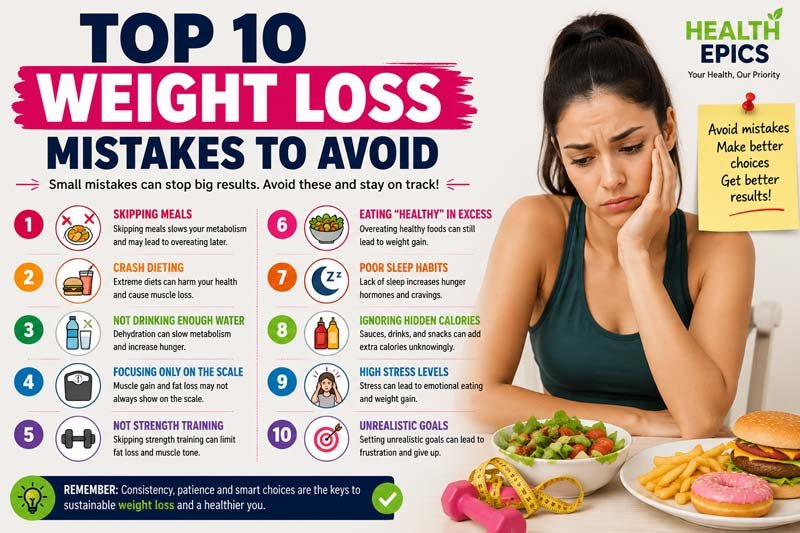
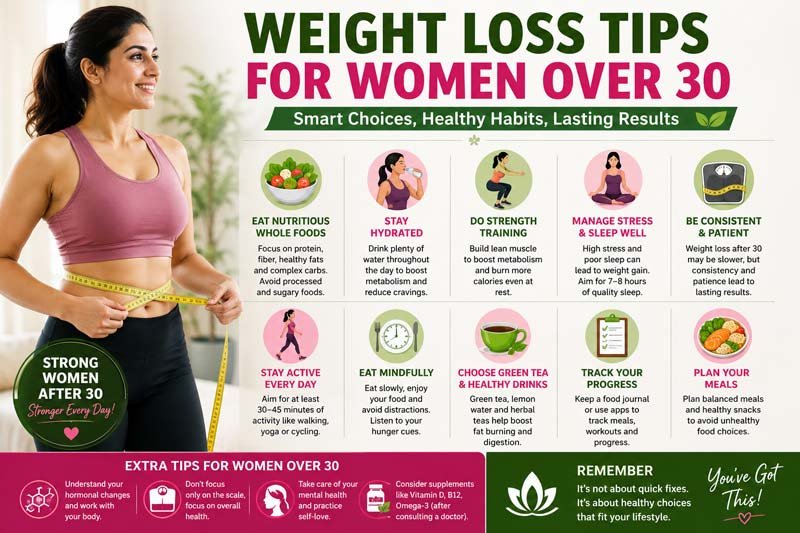
Searching for effective weight loss tips for women over 30 can feel overwhelming. After age 30, many women notice that losing weight becomes more difficult than it was in their twenties. Busy careers, family responsibilities, hormonal changes, reduced physical activity, stress, and changing metabolism can all make healthy weight management more challenging.
How Women Over 30 Can Lose Weight Naturally and Safely
The good news is that successful weight loss after 30 doesn’t require extreme diets or exhausting workout routines. Instead, it comes from building sustainable habits that support your body’s changing nutritional and fitness needs. Small, consistent improvements in eating patterns, physical activity, sleep, and stress management can lead to meaningful, long-term results.
According to recommendations from the Centers for Disease Control and Prevention (CDC), the National Institutes of Health (NIH), and the American Heart Association (AHA), healthy weight loss should focus on gradual lifestyle changes rather than quick fixes. This approach not only supports fat loss but also improves heart health, energy levels, muscle strength, and overall well-being.
Best Weight Loss Strategies for Women Over 30
In this comprehensive guide, you’ll learn practical weight loss tips for women over 30, including the best foods, exercise recommendations, common mistakes to avoid, and expert advice for lasting success.
What Is Healthy Weight Loss for Women Over 30?
Healthy weight loss for women over 30 involves reducing excess body fat through balanced nutrition, regular physical activity, quality sleep, and sustainable lifestyle habits.
As women age, several natural changes can influence body weight, including:
- Gradual loss of muscle mass
- Hormonal fluctuations
- Changes in metabolism
- Increased work and family responsibilities
- Reduced physical activity
- Higher stress levels
These changes do not make weight loss impossible, but they often require a more strategic and consistent approach.
Rather than focusing only on the number on the scale, healthy weight loss also includes:
- Preserving lean muscle mass
- Improving cardiovascular health
- Increasing energy
- Supporting bone health
- Reducing the risk of chronic diseases
A realistic goal for many women is to lose 1 to 2 pounds per week through healthy lifestyle changes.
Causes and Risk Factors for Weight Gain After 30
Weight gain is influenced by a combination of biological, lifestyle, and environmental factors.
Slower Metabolism
Although metabolism does not suddenly slow at age 30, calorie needs may gradually decline over time, especially if muscle mass decreases.
Loss of Muscle Mass
Adults naturally lose muscle with age unless they participate in regular strength training. Since muscle burns more calories than fat, maintaining muscle is important for healthy metabolism.
Hormonal Changes
Hormonal fluctuations related to pregnancy, perimenopause, menopause, thyroid disorders, or certain medical conditions can affect body composition and appetite.
Sedentary Lifestyle
Many women spend long hours sitting at work or commuting, which reduces daily calorie expenditure.
Busy Schedules
Balancing careers, childcare, and household responsibilities often leaves less time for meal preparation and exercise.
Chronic Stress
Long-term stress may increase cortisol levels, which can influence appetite and encourage abdominal fat storage.
Poor Sleep
Sleeping fewer than seven hours regularly may disrupt hormones that regulate hunger and fullness.
Highly Processed Foods
Frequent consumption of fast food, sugary beverages, and ultra-processed snacks can increase calorie intake without providing lasting fullness.
Signs You May Need a Healthier Weight Loss Approach
You may benefit from adjusting your nutrition and lifestyle habits if you experience:
- Gradual weight gain over several months or years
- Increased waist circumference
- Fatigue throughout the day
- Frequent cravings for sugary or processed foods
- Difficulty losing weight despite dieting
- Loss of muscle tone
- Reduced physical endurance
- Emotional eating during stressful situations
Recognizing these signs early can help you develop healthier habits before weight gain becomes more difficult to manage.
Benefits of Healthy Weight Loss After 30
Losing excess weight provides numerous health benefits beyond improving appearance.
Better Heart Health – Maintaining a healthy weight may help reduce the risk of high blood pressure, heart disease, and stroke.
Improved Blood Sugar Control – Healthy eating and regular exercise can improve insulin sensitivity and lower the risk of type 2 diabetes.
Increased Energy – Nutritious foods and regular movement support higher energy levels throughout the day.
Stronger Muscles and Bones – Resistance exercise helps preserve muscle mass and supports bone health, which becomes increasingly important with age.
Improved Sleep – Many women report better sleep quality after adopting healthier eating and exercise habits.
Greater Confidence – Healthy weight loss often improves self-esteem and body confidence while supporting mental well-being.
Best Natural Solutions for Healthy Weight Loss
1. Prioritize Protein at Every Meal
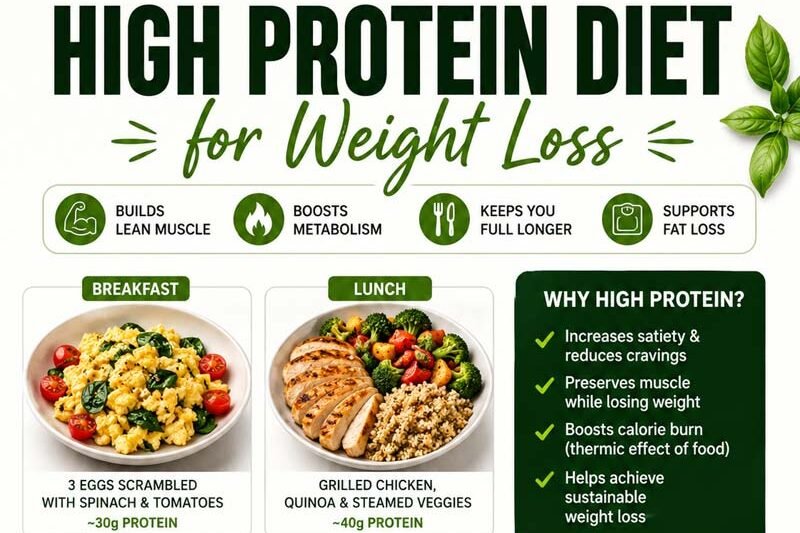
Protein is one of the most important nutrients for women trying to lose weight.
Benefits include:
- Promotes fullness
- Helps preserve lean muscle
- Supports metabolism
- Reduces cravings
Excellent protein sources include:
- Skinless chicken breast
- Turkey
- Salmon
- Tuna
- Eggs
- Greek yogurt
- Cottage cheese
- Tofu
- Lentils
- Black beans
Aim to include protein with breakfast, lunch, dinner, and snacks whenever possible.
2. Increase Fiber Intake
Fiber slows digestion and helps you stay satisfied longer.
High-fiber foods include:
- Oatmeal
- Apples
- Pears
- Berries
- Broccoli
- Brussels sprouts
- Lentils
- Chickpeas
- Brown rice
Most American adults consume less fiber than recommended. Increasing fiber gradually and drinking enough water can support digestive health and appetite control.
3. Practice Portion Control
Even healthy foods contain calories, making portion awareness essential.
Helpful strategies include:
- Using smaller plates
- Measuring servings occasionally
- Reading Nutrition Facts labels
- Eating slowly
- Waiting a few minutes before taking seconds
These habits help prevent overeating without requiring strict food restrictions.
4. Drink More Water
Staying hydrated supports overall health and may help reduce unnecessary snacking.
Many people mistake thirst for hunger, leading to extra calorie intake.
Practical hydration tips include:
- Drink a glass of water before meals.
- Carry a reusable water bottle.
- Replace sugary beverages with water or unsweetened tea.
- Increase fluid intake during hot weather or exercise.
5. Choose Whole Foods More Often
Whole foods are generally richer in nutrients and more satisfying than heavily processed options.
Examples of healthier swaps include:
| Instead of | Choose |
| Sugary cereal | Oatmeal with berries |
| White bread | Whole-grain bread |
| Potato chips | Air-popped popcorn |
| Soda | Sparkling water with lemon |
| Fried chicken | Grilled chicken |
Making simple substitutions over time can significantly improve diet quality without feeling restrictive.
6. Reduce Added Sugar
Added sugars are commonly found in:
- Soft drinks
- Coffee beverages
- Candy
- Baked goods
- Breakfast pastries
- Sweetened yogurt
Excess sugar adds calories without providing essential nutrients and may contribute to weight gain.
Reading food labels can help identify hidden sources of added sugar.
7. Plan Your Meals Ahead of Time
Meal planning is one of the most effective habits for long-term weight management.
Benefits include:
- Reduces impulse eating
- Saves time during busy weeks
- Supports balanced nutrition
- Helps control portion sizes
- Makes grocery shopping easier
Preparing meals in advance can also reduce the temptation to order fast food after a long workday.
8. Eat Mindfully
Mindful eating encourages paying attention to your body’s hunger and fullness signals.
Simple ways to practice mindful eating include:
- Sit down for meals instead of eating on the go.
- Eliminate distractions such as television or smartphones.
- Chew food thoroughly.
- Appreciate flavors and textures.
- Stop eating when comfortably satisfied rather than overly full.
Mindful eating may help reduce overeating and improve your relationship with food.
9. Get Enough Quality Sleep
Sleep is often overlooked, yet it is one of the most important factors in successful weight management. Adults who consistently sleep fewer than seven hours per night are more likely to experience increased hunger, stronger cravings for high-calorie foods, and lower energy levels for exercise.
Why Sleep Matters
Quality sleep helps:
- Regulate hunger hormones such as ghrelin and leptin
- Support muscle recovery after exercise
- Improve energy and focus
- Reduce stress-related eating
- Maintain a healthy metabolism
Healthy Sleep Habits
- Aim for 7–9 hours of sleep each night.
- Go to bed and wake up at the same time every day.
- Keep your bedroom cool, dark, and quiet.
- Avoid caffeine late in the afternoon or evening.
- Limit screen time for at least one hour before bed.
10. Manage Stress Effectively
Stress can make healthy eating more difficult. When you’re overwhelmed, your body releases cortisol, a hormone that may increase appetite and encourage fat storage, especially around the abdomen.
Healthy Ways to Manage Stress
- Practice deep breathing exercises.
- Try yoga or stretching.
- Spend time outdoors.
- Keep a journal.
- Listen to relaxing music.
- Connect with supportive friends or family members.
- Schedule regular breaks during busy workdays.
Learning healthier coping strategies can reduce emotional eating and improve long-term weight management.
Best Foods for American Women Over 30
Choosing nutrient-dense foods can help support weight loss while meeting the body’s changing nutritional needs.
Lean Protein
Protein helps preserve muscle mass, supports metabolism, and promotes fullness.
Excellent choices include:
- Skinless chicken breast
- Turkey
- Salmon
- Tuna
- Eggs
- Greek yogurt
- Cottage cheese
- Tofu
- Lentils
- Black beans
Vegetables
Vegetables are naturally rich in fiber, vitamins, minerals, and antioxidants while remaining low in calories.
Great options include:
- Spinach
- Kale
- Broccoli
- Cauliflower
- Bell peppers
- Green beans
- Brussels sprouts
- Zucchini
Aim to fill half your plate with vegetables at lunch and dinner.
Fruits
Whole fruits provide fiber, vitamins, and natural sweetness.
Healthy choices include:
- Apples
- Blueberries
- Strawberries
- Oranges
- Pears
- Grapefruit
Choose whole fruit instead of fruit juice whenever possible.
Whole Grains
Whole grains digest more slowly than refined grains, helping you stay full longer.
Examples include:
- Oatmeal
- Brown rice
- Quinoa
- Whole-wheat bread
- Whole-grain pasta
Healthy Fats
Healthy fats support heart health and increase meal satisfaction.
Examples include:
- Avocados
- Almonds
- Walnuts
- Pistachios
- Chia seeds
- Flaxseeds
- Olive oil
Consume healthy fats in moderation because they are calorie-dense.
Best Exercises and Lifestyle Changes
Regular physical activity supports fat loss, preserves muscle, and improves overall health.
Strength Training
Strength training becomes increasingly important after age 30 because it helps maintain lean muscle mass.
Beginner-friendly exercises include:
- Squats
- Lunges
- Push-ups
- Resistance band exercises
- Dumbbell rows
- Glute bridges
The CDC recommends performing muscle-strengthening activities at least two days per week.
Cardiovascular Exercise
Cardio supports heart health and calorie expenditure.
Excellent options include:
- Brisk walking
- Cycling
- Swimming
- Dancing
- Hiking
- Jogging
Aim for at least 150 minutes of moderate-intensity aerobic activity each week.
Stay Active Throughout the Day
Small increases in daily movement add up.
Try to:
- Take the stairs instead of the elevator.
- Walk during lunch breaks.
- Stand and stretch every hour.
- Park farther away from store entrances.
- Walk while talking on the phone.
Prioritize Recovery
Rest days are an important part of any fitness routine.
Recovery helps:
- Prevent injuries
- Reduce muscle soreness
- Improve performance
- Support long-term consistency
Frequently Asked Questions
How can women over 30 lose weight naturally?
Women over 30 can lose weight naturally by eating a balanced diet, increasing protein and fiber intake, full body workout regularly, getting enough sleep, managing stress, and maintaining a moderate calorie deficit.
Why is it harder to lose weight after 30?
Weight loss may become more challenging due to gradual muscle loss, hormonal changes, busy lifestyles, reduced physical activity, and changes in metabolism.
What is the best diet for women over 30?
Rather than following a restrictive diet, most women benefit from a balanced eating pattern rich in lean protein, vegetables, fruits, whole grains, healthy fats, and minimally processed foods.
How much protein should women over 30 eat?
Protein needs vary based on age, body weight, and activity level. Including protein with every meal can help preserve muscle and promote fullness during weight loss.
Is strength training important after 30?
Yes. Strength training helps maintain muscle mass, supports metabolism, strengthens bones, and improves overall physical function.
Can poor sleep affect weight loss?
Yes. Inadequate sleep can increase hunger, cravings, and fatigue, making healthy eating and regular exercise more difficult.
What foods should women over 30 avoid when trying to lose weight?
Limit foods high in added sugars, refined carbohydrates, ultra-processed snacks, sugary beverages, and excessive fast food while focusing on nutrient-dense whole foods.
How fast should women over 30 lose weight?
For most adults, losing 1–2 pounds per week is considered a safe and sustainable rate of weight loss.
Does stress cause weight gain?
Chronic stress can contribute to emotional eating and hormonal changes that may increase fat storage, particularly around the abdomen.
What is the most important weight loss habit after 30?
Consistency. Building healthy habits, you can maintain over time is more effective than following restrictive diets or extreme exercise programs.
Conclusion
Successfully applying these weight loss tips for women over 30 starts with recognizing that your body’s needs may change with age—but healthy weight loss is still absolutely achievable. Instead of chasing fad diets or rapid results, focus on balanced nutrition, regular physical activity, strength training, quality sleep, and stress management. These evidence-based habits can help you lose excess body fat, preserve lean muscle, improve energy, and reduce your risk of chronic diseases. Remember that sustainable progress comes from consistency, patience, and making healthy choices that fit your lifestyle.