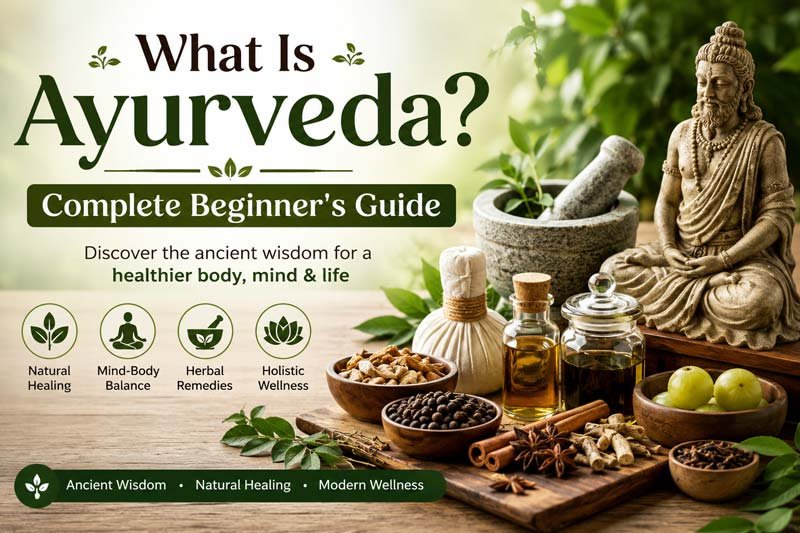

As more Americans look for supplementary methods to support their health, interest in natural wellness has increased. Ayurveda, one of the oldest traditional wellness systems, has drawn notice for its all-encompassing approach to diet, lifestyle, and herbal medicines. Knowing the top Ayurvedic herbs and their benefits might help people decide whether to use these age-old plants in a well-rounded wellness plan.
Best Ayurvedic Herbs to Boost Wellness Naturally
In India, Ayurvedic herbs have been utilized for thousands of years as part of a more comprehensive health system that prioritizes balance between the body, mind, and environment. Many of these herbs can now be found all throughout the United States in supplements, teas, powders, and capsules.
Although some Ayurvedic plants have been researched for possible health advantages, it’s crucial to keep in mind that herbal supplements shouldn’t be used in place of medical care. Numerous plants are still being studied, and each person may respond differently to them. For Americans interested in holistic wellness, this guide explores the most common Ayurvedic herbs, their traditional applications, the state of science, safety concerns, and useful lifestyle advice.
What Are Ayurvedic Herbs?
Plants utilized in Ayurveda, a wellness philosophy that dates back more than 3,000 years to India, are known as Ayurvedic herbs. These herbs are frequently used in customized wellness programs that consider each person’s life style, and health objectives.
Common forms include:
- Capsules
- Tablets
- Powders
- Herbal teas
- Liquid extracts
- Oils
In the US, herbal supplements are subject to different regulations than pharmaceutical drugs. As a result, different products may have different levels of potency, purity, and quality.
Why Do People Use Ayurvedic Herbs?
Many adults look at using Ayurvedic medicines to help:
- Stress management
- Healthy aging
- Physical performance
- Immune function
- Digestive wellness
- Sleep quality
- Overall well-being
Causes and Risk Factors That Lead People to Seek Natural Wellness Solutions
A number of modern lifestyle issues motivate people to investigate herbal wellness strategies.
Chronic Stress – For many Americans, stress is caused by long job hours, money tension, and continuous screen time.
Poor Sleep Habits – Mood, vitality, and general health can all be impacted by sleep deprivation.
Sedentary Lifestyles – Many people sit at offices or in cars for the majority of the day.
Processed Food Consumption – Excess sodium, sugar, and harmful fats are frequently found in highly processed foods.
Aging-Related Wellness Concerns – People may look for natural ways to enhance their quality of life and promote healthy aging as they get older.
Signs and Symptoms That May Prompt Interest in Ayurvedic Herbs
Although herbs shouldn’t be used to treat or diagnose illnesses, people frequently experiment with them when they experience:
- Everyday stress
- Low energy
- Poor sleep quality
- Digestive discomfort
- Difficulty concentrating
- General wellness concerns
A medical expert should always be consulted for persistent symptoms.
Advantages of Combining Herbal Use with Lifestyle Factors
Herbs are most effective when paired with good practices. Improving lifestyle factors may have the following advantages:
Better Energy Levels – Sustained energy is supported by frequent exercise and a healthy diet.
Improved Sleep – A regular sleep routine promotes general wellbeing.
Enhanced Stress Management – Resilience may be enhanced by relaxation practices.
Better Digestive Health – Gut health is supported by a well-balanced diet high in fiber.
Reduced Risk of Chronic Disease – Long-term cardiovascular and metabolic health are supported by healthy lifestyle choices.
Top Ayurvedic Herbs and Their Benefits
1. Ashwagandha
Among the most popular Ayurvedic herbs in the world is ashwagandha.
Traditional Uses
Historically, it has been used to support:
- Stress relief
- Energy levels
- Physical strength
- Overall vitality
What Research Suggests
According to some research, ashwagandha may help some people maintain appropriate cortisol levels and manage stress.
Available Forms
- Capsules
- Powders
- Gummies
- Liquid extracts
Safety Considerations
Before using, people with autoimmune diseases, thyroid issues, or those using drugs should speak with a healthcare professional.
2. Turmeric
Curcumin is the active ingredient in turmeric.
Traditional Uses
Traditionally used to support:
- Joint health
- Digestive wellness
- Overall vitality
What Research Suggests
Curcumin has been shown to have anti-inflammatory and antioxidant properties.
Popular Uses
- Golden milk
- Cooking spice
- Supplements
Safety Considerations
Blood-thinning drugs may interact with high doses.
3. Tulsi (Holy Basil)
In Ayurveda, tulsi—also referred to as “holy basil”—is highly prized.
Traditional Uses
Used to support:
- Stress management
- Respiratory wellness
- General health
Tulsi may support the body’s reaction to stress, according to preliminary study.
Common Forms
- Herbal tea
- Capsules
- Extracts
4. Triphala
Three fruits are combined to make triphala.
Traditional Uses
used historically to promote regularity and health of the digestive system.
Potential Benefits
According to some research, it might promote gut health and digestion.
Available Forms
- Powder
- Capsules
- Tablets
5. Brahmi
Traditionally, Brahmi has been linked to mental health.
Traditional Uses
Used to support:
- Memory
- Concentration
- Mental clarity
6. Ginger
Ayurveda and modern nutrition both make extensive use of ginger.
Traditional Uses
Supports:
- Digestion
- Nausea management
- General wellness
Many studies have been conducted on the benefits of ginger for nausea alleviation and digestive support.
Easy Ways to Use Ginger
- Tea
- Smoothies
- Cooking
- Supplements
7. Amla (Indian Gooseberry)
Antioxidants and naturally occurring vitamin C are abundant in amla.
Traditional Uses
Supports:
- Immune health
- Digestive wellness
- Healthy aging
Potential Benefits
Antioxidant qualities may promote general wellness, according to research.
8. Neem
Neem has been used traditionally for a very long time.
Traditional Applications
Used for:
- Skin care
- Oral health
- General wellness
9. Shatavari
In Ayurveda, Shatavari is frequently linked to women’s health.
Traditional Uses
Supports:
- Reproductive wellness
- Hormonal balance
- General vitality
Safety Note
Before taking hormonal support supplements, people should speak with their healthcare providers.
10. Guduchi
Another popular Ayurvedic herb is guduchi.
Traditional Uses
- Immune function
- Overall vitality
- Wellness maintenance
Best Natural Solutions Beyond Herbal Supplements
Herbs are just one facet of health.
Prioritize Sleep
Aim for seven to nine hours each night.
Eat a Whole-Food Diet
Focus on:
- Fruits
- Vegetables
- Whole grains
- Lean proteins
- Healthy fats
Manage Stress
Successful tactics consist of:
- Meditation
- Yoga
- Deep breathing
- Walking
Stay Hydrated
Drinking enough water promotes general health.
Build Consistent Daily Routines
Long-term wellness is supported by routines.
Best Foods for Americans Interested in Ayurvedic Wellness
Leafy Greens
- Kale
- Spinach
- Swiss chard
Colorful Fruits
- Blueberries
- Strawberries
- Apples
- Oranges
Legumes
- Lentils
- Chickpeas
- Black beans
Healthy Fats
- Avocados
- Walnuts
- Almonds
Herbs and Spices
- Turmeric
- Ginger
- Cinnamon
- Garlic
Best Exercises and Lifestyle Changes
Walking – Walking every day is still one of the easiest strategies to promote health.
Yoga – Yoga blends mindfulness, flexibility, and physical exertion.
Strength Training
- Muscle maintenance
- Bone health
- Healthy metabolism
Mindfulness Practices – Yoga blends mindfulness, flexibility, and physical exertion.
Outdoor Activities – Being outside can improve one’s physical and emotional well-being.
Common Mistakes to Avoid
Assuming Natural Means Safe – Interactions and adverse effects are still possible with natural supplements.
Ignoring Product Quality – Select reliable manufacturers who have undergone independent testing.
Taking Excessive Doses – It’s not always better to have more.
Replacing Medical Treatment – Herbs shouldn’t be used in place of prescription drugs or medical attention.
Using Multiple Supplements Simultaneously – Combining items could make things riskier.
Risks and Precautions
Drug Interactions – Certain plants could interfere with:
- Blood thinners
- diabetes Medication
- Blood pressure drugs
Pregnancy and Breastfeeding – Before taking herbal supplements, speak with your doctor.
Allergic Reactions – Different people may respond to herbal products in different ways.
Product Contamination – Select supplements from reputable producers.
Underlying Medical Conditions – Before starting any supplement plan, get medical advice.
Frequently Asked Questions
Which Ayurvedic herbs are the most widely used?
Among the most popular Ayurvedic herbs include ashwagandha, turmeric, tulsi, triphala, brahmi, ginger, amla, neem, shatavari, and guduchi.
Is it safe to consume ashwagandha every day?
Many adults use ashwagandha on a daily basis, although medication and personal health conditions determine safety. Before using, speak with a healthcare professional.
What are the health benefits of turmeric?
Curcumin, which has anti-inflammatory and antioxidant qualities, is found in turmeric.
Are Ayurvedic herbs supported by science?
While some herbs have been thoroughly explored, others still need more investigation. The evidence differs depending on the herb and its intended usage.
Are Ayurvedic herbs able to reduce stress?
Some herbs, like tulsi and ashwagandha, have been researched for their potential to help with stress management.
Are Ayurvedic supplements subject to US regulations?
Compared to pharmaceuticals, dietary supplements are subject to distinct regulations. The quality of the product could differ.
Which Ayurvedic herb is best for digestion?
Triphala and ginger have long been utilized to promote digestive health.
Can I take more than one Ayurvedic herb at once?
Herb combinations may raise the possibility of interactions or adverse effects. It is advised to seek professional advice.
What is the duration of action of Ayurvedic herbs?
The individual, herb, dosage, and health objectives all affect the results.
Before using Ayurvedic herbs, should I consult my doctor?
Indeed. This is particularly crucial if you take medicine, have a medical condition, or are pregnant.
Conclusion
People can explore complementary ways to wellness while keeping reasonable expectations if they are aware of the best Ayurvedic herbs and their benefits. Long used in traditional medicine, herbs including ashwagandha, turmeric, tulsi, ginger, and triphala continue to be of interest to scientists. However, combining herbal supplements with lifestyle practices like a healthy diet, regular exercise, stress reduction, restful sleep, and preventative healthcare yields the biggest health advantages. Adults who approach Ayurvedic herbs carefully and sensibly can make well-informed choices that promote their general health.