Good health, self-assurance, and personal hygiene are frequently linked to a radiant, white teeth. It should come as no surprise that a lot of Americans look for the finest natural solutions to whiten teeth without using harsh chemical treatments or costly cosmetic operations. Best ways to whiten teeth natural and dentist-approved methods that may help lessen surface stains and promote a healthier-looking smile, even though professional whitening procedures can be successful.
How to Whiten Teeth Naturally: Easy and Effective Home Remedies
Knowing what initially causes tooth discolouration is the first step towards understanding the finest natural teeth-whitening techniques. Teeth can be gradually discoloured by daily routines including ingesting processed meals, coffee, tea, and red wine. Yellowing can also be caused by aging, smoking, and poor dental hygiene.
The good news is that some foods, lifestyle modifications, and dental hygiene techniques may reduce stains and encourage teeth that are naturally whiter. This guide explores practical tips, common mistakes to avoid, and expert recommendations to help you maintain a bright, healthy, and confident smile for years to come.
What Is Natural Teeth Whitening?
The term “natural teeth whitening” describes techniques that lessen surface stains and tooth discolouration without the need for professional bleaching procedures. These methods concentrate on enhancing dietary practices, lifestyle decisions, and oral cleanliness that led to teeth that appear better.
It’s crucial to realize that, rather than significantly altering the natural color of tooth enamel, natural whitening techniques typically aid in the removal or prevention of stains.
The color of healthy teeth varies from person to person. Tooth color is influenced by enamel thickness, age, and genetics.
Causes and Risk Factors for Tooth Discoloration
You can select the best teeth-whitening techniques by knowing the reasons behind tooth discoloration.
Coffee and Tea Consumption – A lot of Americans have tea or coffee first thing in the morning. Tannins in both drinks have the potential to gradually discolour enamel.
Red Wine – Acids and pigments included in red wine may cause tooth discolouration.
Tobacco Use – One of the most frequent causes of yellow and brown teeth stains is smoking and chewing tobacco.
Poor Oral Hygiene – Plaque and stain-producing materials can build up on teeth due to inadequate brushing and flossing.
Aging – Enamel naturally deteriorates with age, revealing the yellowish dentin underneath.
Certain Foods – Foods with dark colours can cause staining, such as:
- Berries
- Tomato-based sauces
- Soy sauce
- Balsamic vinegar
Medications – Certain drugs may have an impact on the color of teeth, especially if they are taken as children.
Dry Mouth – Because saliva naturally cleans the mouth, less saliva can result in more stains accumulating.
Signs and Symptoms of Tooth Discoloration
Common signs include:
- Yellow teeth
- Brown stains
- Gray discoloration
- Uneven tooth color
- Dull appearance of enamel
- Surface staining around the gum line
While some discolorations simply affect the tooth’s surface, deeper stains might need to be treated by a dentist.
Benefits of Addressing Tooth Stains
Beyond aesthetics, improving tooth appearance has various advantages.
Increased Confidence – When their teeth look brighter, many people feel more at ease speaking and smiling in social situations.
Improved Oral Hygiene Habits – People who concentrate on whitening frequently improve their brushing and flossing consistency.
Better First Impressions – Both personal and professional relationships can benefit from having a healthy grin.
Enhanced Oral Health Awareness – Taking care of stains could promote preventive care and routine dental appointments.
Motivation for Healthier Lifestyle Choices – Oral and general health can be improved by cutting less on sugar-filled drinks and tobacco use.
Best Natural Solutions for Teeth Whitening
Practice Excellent Oral Hygiene
Taking good care of your mouth is the first step towards natural tooth whitening.
Recommendations include:
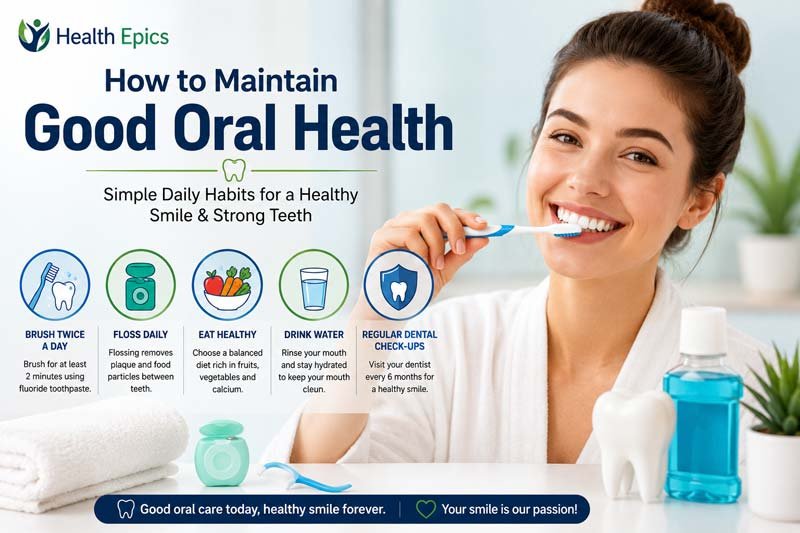
- Brush twice a day.
- Floss each day.
- Use toothpaste with fluoride.
- Regularly clean your tongue.
- Toothbrushes should be changed every three to four months.
- Try to brush about half an hour after eating:
Drink More Water
Food particles, acids, and pigments that cause stains can be rinsed away with water.
One of the easiest strategies to promote a brighter smile is to drink water throughout the day.
For Some Drinks, use a Straw
One way to lessen direct contact between teeth and staining liquids is to use a straw.
This method might be particularly useful for iced tea and coffee.
Continue Having Regular Dental Cleanings
Professional cleanings get rid of surface stains and hardened plaque that regular brushing can’t get rid of.
Dental examinations every six months are beneficial for the majority of adults.
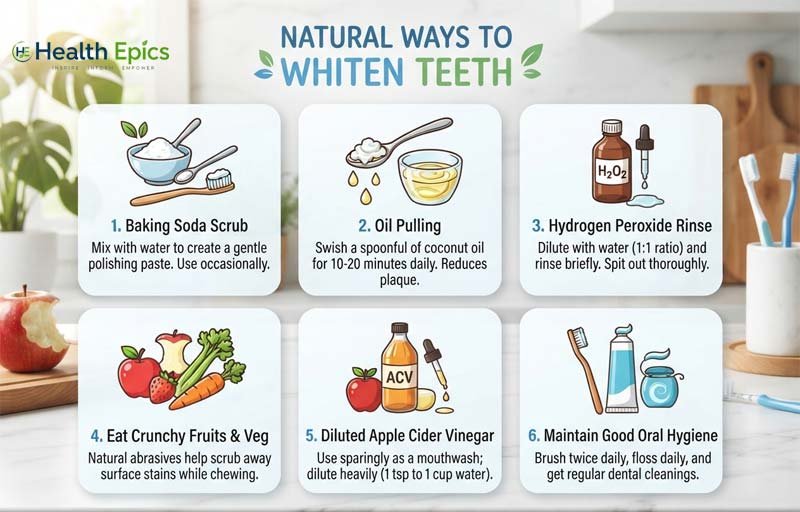
Consume crisp fruits and vegetables.
Tooth surfaces can be naturally cleaned by some foods.
Examples include:
- Apples
- Celery
- Carrots
- Cucumbers
These foods may aid in the removal of small surface particles and increase salivation.
Improve Saliva Production
Saliva plays an important role in protecting teeth.
Encourage the production of healthy saliva by:
- Consuming enough water
- Chewing gum without added sugar
- Reducing tobacco use
- Handling conditions related to dry mouth
Natural Remedies: What Is Effective and What Is Not?
Online, there are a lot of natural whitening solutions, but not all of them have scientific backing.
Oil Pulling
Swishing oil in the mouth for a few minutes is known as oil pulling. Although some people claim to have better oral hygiene and fresher breath, there is still no scientific proof of noticeable whitening effects.
Baking Soda
Some toothpastes frequently contain baking soda due to its mildly abrasive qualities.
Surface stains may be removed with occasional use.
Overuse, however, can eventually harm enamel.
Activated Charcoal
Products made from activated charcoal have gained popularity, however there is little evidence to support their efficacy and safety.
Because abrasive materials can erode enamel, dentists usually advise caution.
Hydrogen Peroxide
Professional whitening creams frequently contain hydrogen peroxide.
On the other hand, home use should be handled cautiously and only in accordance with dental advice.
Lemon Juice and Vinegar
These acidic compounds are frequently advertised online as whitening agents.
They are usually not advised for teeth whitening since they can degrade enamel.
Best Foods for Americans Seeking Whiter Teeth
The appearance of teeth and dental health are greatly influenced by diet.
Apples – Apples, sometimes referred to as “nature’s toothbrush,” aid in promoting salivation.
Strawberries – Malic acid, which is found in strawberries, may help lighten some surface stains.
Cheese – The calcium and phosphorus included in cheese promote the health of enamel.
Yogurt – Beneficial elements found in plain yogurt support healthy teeth.
Leafy Greens
- Kale
- Spinach
- Romaine lettuce
Vitamins and minerals essential for dental health are included in these foods.
Also Visit – Diabetes Symptoms, Prevention and its Treatment
Almonds – Almonds are nutrient-dense and have a little gritty feel that could aid in teeth cleaning while chewing.
Water-Rich Foods
- Watermelon
- Cucumbers
- Celery
These foods encourage salivation and hydration.
Best Lifestyle Changes for Maintaining White Teeth
Quit Smoking
One of the quickest ways to discolour teeth is to smoke.
Giving up smoke improves general and oral health.
Limit Sugary Drinks
Tooth decay and discoloration can be caused by soda, energy drinks, and sweetened coffee.
Reduce Frequent Snacking
Teeth are exposed to more acids and pigments during the day when they are constantly munching.
Manage Stress
Stress may lead to:
- Bad dental hygiene practices
- A rise in tobacco consumption
Exercises like yoga, meditation, and walking could be beneficial.
Stay Physically Active
Frequent exercise promotes general health and may subtly promote healthy lifestyle choices.
Common Mistakes to Avoid
Overusing Whitening Products – Overuse of whitening procedures might make teeth more sensitive.
Brushing Too Aggressively – Over time, teeth may become increasingly yellow due to enamel deterioration caused by vigorous cleaning.
Using Acidic DIY Remedies – Vinegar and lemon juice can deteriorate colouring and damage enamel.
Skipping Dental Visits – Expert cleanings aid in stain removal and early detection of oral health issues.
Ignoring Gum Health – A beautiful smile requires healthy gums.
Smoking While Trying to Whiten Teeth – Whitening attempts may be hampered by ongoing tobacco usage.
Risks and Precautions
Although natural whitening methods are usually harmless, care must be taken.
Protect Your Enamel – Once severely injured, enamel does not recover.
Watch for Tooth Sensitivity – See your dentist if whitening procedures are uncomfortable.
Seek Professional Evaluation – Persistent discolouration could be a sign of underlying dental issues.
Be Careful with Online Remedies – Not every tip on the internet is reliable or supported by research.
Consult a Dentist First – Before starting whitening procedures, anyone with crowns, veneers, gum disease, or sensitive teeth should consult a professional.
Expert Tips for Naturally Whiter Teeth
Brush for Two Full Minutes – Many folks don’t brush for as long as is advised.
Use an Electric Toothbrush – For certain people, electric toothbrushes may be more effective in removing plaque.
Drink Water After Coffee – This easy practice could lessen discoloration.
Schedule Regular Dental Cleanings – One of the best ways to keep your smile looking great is to get it cleaned professionally.
Also Visit – 50 Daily Health Tips for a Better Life
Eat More Crunchy Produce – Oral hygiene can be supported by natural cleansing meals.
Focus on Prevention – Stains are frequently easier to prevent than to remove.
Make Oral Health a Daily Priority – More important than sporadic teeth-whitening procedures is consistency.
FAQ’s About Best Ways to Whiten Teeth Naturally
What is the most effective natural method for tooth whitening?
Among the best natural remedies are practicing good oral hygiene, drinking plenty of water, avoiding stain-causing foods, and getting professional dental cleanings.
Is it possible for yellow teeth to naturally turn white again?
Changes in lifestyle and good oral hygiene can help with certain surface stains. Deeper discolouration might need to be treated by a professional.
Does baking soda naturally make teeth whiter?
Because of its moderate abrasive qualities, baking soda may help remove surface stains, but excessive usage might harm enamel.
What is the duration of natural teeth whitening?
The reason of the discolouration, dental hygiene practices, and lifestyle variables all affect the outcome.
Can teeth be whitened with strawberries?
Compounds found in strawberries may help lessen some surface stains, but they shouldn’t take the place of good dental hygiene habits.
Is it possible to maintain white teeth by drinking water?
Indeed. Water aids in removing food particles, acids, and pigments that cause discoloration.
Can coffee leave teeth permanently discoloured?
Although many stains can be lessened with good mouth hygiene, long-term coffee intake can contribute to chronic staining.
Is it safe to use activated charcoal to whiten teeth?
There is little evidence, and some dentists advise against repeated use due to possible enamel wear.
Despite brushing every day, why are my teeth yellow?
Tooth color can be influenced by a number of factors, including food, medication, aging, enamel thickness, and genetics.
When should I consult a dentist regarding discoloured teeth?
If discolouration develops suddenly, gets much worse, or is accompanied by discomfort or sensitivity, see a dentist.
Conclusion
Consistent oral hygiene, a balanced diet, adequate hydration, and routine dental treatment are the greatest natural ways to whiten teeth. Natural techniques can help lessen surface stains, preserve enamel, and keep a brighter smile over time, even though they might not produce noticeable whitening benefits right away.
Adults can maintain their dental health and confidence while enjoying a naturally healthier-looking smile by concentrating on evidence-based practices and avoiding potentially dangerous do-it-yourself solutions.