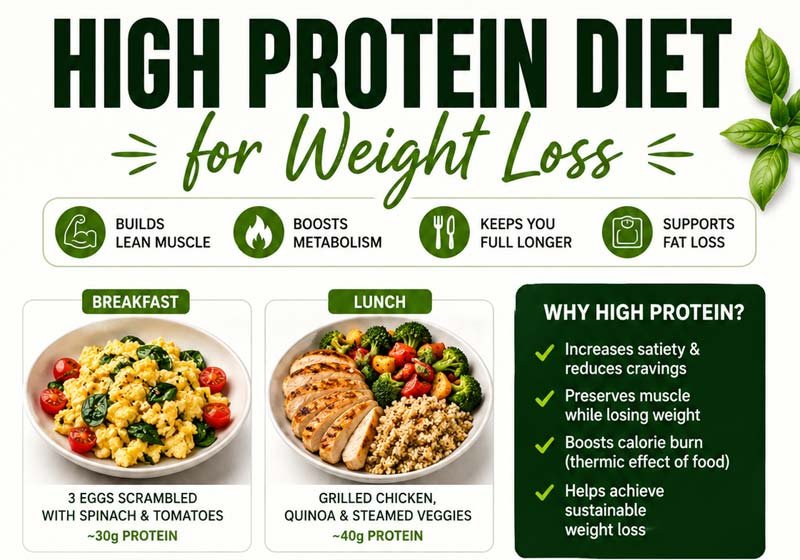
A high protein diet for weight loss is one of the most effective and research-supported eating strategies for reducing body fat while preserving lean muscle mass. Unlike restrictive fad diets, a protein-rich eating plan can help you feel fuller for longer, reduce cravings, and support a healthy metabolism, making it easier to maintain a calorie deficit over time.
High Protein Diet for Weight Loss: Complete Guide to Healthy Fat Loss
According to the Centers for Disease Control and Prevention (CDC), successful weight loss is achieved through sustainable lifestyle changes that include nutritious eating, regular physical activity, adequate sleep, and long-term healthy habits. Increasing your protein intake—while choosing nutrient-dense foods and controlling portion sizes—can be an important part of that approach.
Whether you’re trying to lose a few pounds, improve your body composition, or support an active lifestyle, this guide explains how a high-protein diet works, its potential benefits, the best protein-rich foods to include, and practical tips for getting started.
What Is a High Protein Diet?
A high-protein diet emphasizes foods that are rich in protein while still providing balanced amounts of carbohydrates, healthy fats, vitamins, and minerals.
Protein is one of the three essential macronutrients your body needs, along with carbohydrates and fats. It plays an important role in building and repairing tissues, producing enzymes and hormones, supporting immune function, and maintaining muscle mass.
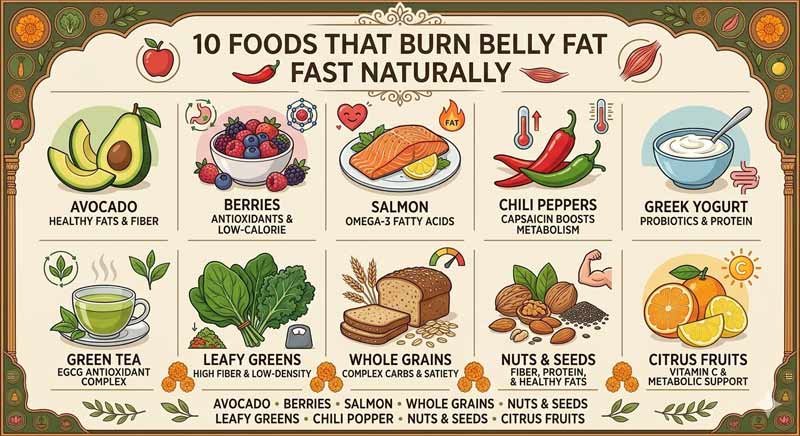
Also Visit – 10 Foods That Burn Belly Fat Fast Naturally | Weight Loss Tips
A healthy high-protein diet focuses on nutrient-dense foods rather than processed protein products.
Common High-Protein Foods Include
- Chicken breast
- Turkey
- Fish
- Eggs
- Greek yogurt
- Cottage cheese
- Lean beef
- Tofu
- Tempeh
- Lentils
- Beans
- Chickpeas
- Edamame
- Nuts and seeds
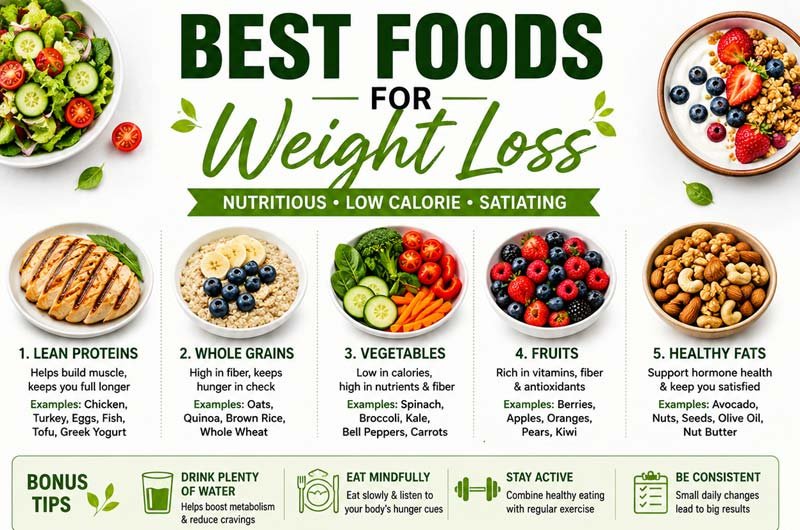
A balanced eating pattern should also include fruits, vegetables, whole grains, and healthy fats.
How Does a High Protein Diet Support Weight Loss?
Protein supports healthy weight management in several important ways.
Helps You Feel Full Longer
Protein is generally more filling than refined carbohydrates.
Meals rich in protein may help:
- Reduce hunger
- Increase satiety
- Decrease snacking between meals
- Reduce overall calorie intake
Feeling satisfied after meals can make it easier to stick with healthy eating habits.
Helps Preserve Lean Muscle
During weight loss, your body can lose both fat and muscle.
Eating enough protein—combined with strength training—helps preserve lean muscle mass while encouraging fat loss.
Maintaining muscle is important because muscle tissue supports strength, mobility, and healthy metabolism.
Supports Healthy Metabolism
Digesting protein requires more energy than digesting carbohydrates or fats, a process known as the thermic effect of food (TEF).
Although the effect is modest, it contributes to your total daily energy expenditure.
Helps Reduce Cravings
Many people find that protein-rich meals reduce cravings for sweets and highly processed snack foods.
Choosing protein at breakfast may also help control appetite throughout the day.
Benefits of a High Protein Diet for Weight Loss
When combined with regular physical activity and balanced nutrition, a high-protein diet may provide several health benefits.
Supports Fat Loss
A calorie-controlled, protein-rich eating plan can help reduce body fat while minimizing muscle loss.
Preserves Muscle During Weight Loss
Maintaining lean muscle becomes increasingly important with age and during calorie restriction.
Improves Body Composition
Rather than simply lowering the number on the scale, a high-protein diet may help improve the ratio of lean muscle to body fat.
Supports Healthy Aging
Adequate protein intake helps maintain muscle strength and physical function as adults get older.
May Improve Blood Sugar Control
Protein-rich meals can slow digestion and help reduce rapid spikes in blood sugar when paired with fiber-rich carbohydrates.
Promotes Better Recovery After Exercise
Protein provides the amino acids your body needs to repair and rebuild muscle tissue after physical activity.
How Much Protein Do You Need?
Protein needs vary depending on factors such as:
- Age
- Sex
- Body weight
- Physical activity level
- Health conditions
- Weight-loss goals
Most healthy adults should consume protein consistently throughout the day rather than all at once.
Individuals who are physically active or trying to lose weight while preserving muscle may benefit from slightly higher protein intake than sedentary adults.
Also Visit – Best Morning Workout for Weight Loss
For personalized recommendations, consult a registered dietitian or healthcare provider.
Best High-Protein Foods for Weight Loss
Choosing nutrient-dense protein sources can help you stay full while supporting your overall health.
| Food | Why It’s a Good Choice |
|---|---|
| Skinless Chicken Breast | Lean, high-quality protein with relatively low saturated fat. |
| Turkey Breast | Rich in protein and several essential vitamins and minerals. |
| Salmon | Provides protein along with heart-healthy omega-3 fatty acids. |
| Tuna | High in protein and low in calories. |
| Eggs | Contain high-quality protein and essential nutrients. |
| Greek Yogurt | High in protein and calcium; choose plain, low-fat varieties with no added sugar. |
| Cottage Cheese | Excellent source of protein and calcium. |
| Tofu | Plant-based protein that works well in many meals. |
| Lentils | Provide both protein and dietary fiber. |
| Black Beans | Rich in plant protein, fiber, and minerals. |
| Chickpeas | Versatile source of protein and complex carbohydrates. |
| Edamame | A complete plant protein with fiber and essential nutrients. |
Animal vs. Plant Protein
Both animal- and plant-based proteins can support healthy weight loss. Including a variety of protein sources in your diet helps ensure you get a wide range of essential nutrients.
| Protein Type | Examples | Key Benefits |
|---|---|---|
| Animal Protein | Chicken, turkey, fish, eggs, low-fat dairy, lean beef | Provides complete proteins containing all essential amino acids. Supports muscle growth, repair, and maintenance while supplying important nutrients such as vitamin B12, iron, and zinc. |
| Plant Protein | Lentils, beans, chickpeas, tofu, tempeh, edamame, quinoa, nuts, seeds | Rich in protein, dietary fiber, antioxidants, vitamins, minerals, and beneficial plant compounds. Supports heart health, digestive health, and helps increase feelings of fullness. |
Tip: For optimal nutrition, include a mix of both animal- and plant-based protein sources throughout the week. This approach provides a broader range of nutrients while supporting healthy weight loss and overall wellness.
Signs You May Not Be Eating Enough Protein
A low protein intake may contribute to:
- Increased hunger between meals
- Difficulty maintaining muscle mass
- Slow recovery after exercise
- Low energy levels
- Reduced strength
- Increased cravings
- Feeling less satisfied after meals
If you’re concerned about your protein intake, a registered dietitian can help you create a balanced meal plan that meets your individual needs.
High-Protein Meal Plan for Weight Loss
A balanced high-protein meal plan can help you stay full, maintain muscle, and support healthy weight loss. Aim to include a quality source of protein with every meal and snack.
Sample One-Day High-Protein Meal Plan
| Meal | Menu |
|---|---|
| Breakfast | Plain Greek yogurt topped with fresh berries, chia seeds, and a handful of almonds |
| Morning Snack | One hard-boiled egg and an apple |
| Lunch | Grilled chicken breast with quinoa and steamed broccoli |
| Afternoon Snack | Cottage cheese with sliced cucumber and cherry tomatoes |
| Dinner | Baked salmon with roasted sweet potatoes and green beans |
| Evening Snack (Optional) | A small handful of walnuts or plain Greek yogurt |
This sample meal plan provides protein throughout the day while including fiber-rich carbohydrates and healthy fats for balanced nutrition.
Healthy High-Protein Snacks
Healthy snacks can help control hunger between meals and prevent overeating.
| Snack | Benefits |
|---|---|
| Greek yogurt | High in protein and calcium |
| Cottage cheese | Rich in protein and low in added sugar |
| Hard-boiled eggs | Portable and nutrient-dense |
| Roasted chickpeas | Plant-based protein with fiber |
| Edamame | Complete plant protein |
| Mixed nuts | Healthy fats and protein (watch portion sizes) |
| String cheese | Convenient protein-rich snack |
| Tuna packets | Lean protein that’s easy to carry |
| Protein smoothie | Great after exercise or during busy days |
| Hummus with vegetables | Protein plus fiber-rich vegetables |
Foods to Limit on a High-Protein Diet
A high-protein diet should focus on nutritious foods rather than processed protein products.
Try to limit:
- Processed meats
- Bacon
- Sausage
- Hot dogs
- Fried chicken
- Sugary protein bars
- Sweetened protein shakes
- Candy
- Cookies
- Sugary beverages
- Highly processed snack foods
- Refined grains
- Fast food
Choosing whole foods more often helps support overall health.
Exercise and Protein: Why They Work Better Together
Combining a high-protein diet with regular exercise provides the greatest benefits for weight loss and body composition.
Strength Training
Strength training helps:
- Build lean muscle
- Preserve muscle during weight loss
- Increase strength
- Support a healthy metabolism
Examples include:
- Weightlifting
- Resistance bands
- Bodyweight exercises
- Push-ups
- Squats
- Lunges
Aim for strength-training exercises at least two days per week, as recommended by the American Heart Association.
Cardiovascular Exercise
Cardio supports heart health while increasing calorie expenditure.
Examples include:
- Walking
- Jogging
- Cycling
- Swimming
- Hiking
- Dancing
The CDC recommends at least 150 minutes of moderate-intensity aerobic activity each week.
Frequently Asked Questions
Is a high protein diet good for weight loss?
Yes. A high protein diet for weight loss can help reduce hunger, increase feelings of fullness, and preserve lean muscle while you’re losing weight. However, successful weight loss still depends on maintaining a calorie deficit through a balanced diet and regular physical activity.
How much protein should I eat to lose weight?
Protein needs vary based on factors such as age, body weight, activity level, and overall health. Many adults trying to lose weight may benefit from spreading protein intake evenly throughout the day. A registered dietitian or healthcare provider can help determine the right amount for your individual needs.
What are the best high-protein foods for weight loss?
Some of the best high-protein foods include:
- Skinless chicken breast
- Turkey
- Fish
- Eggs
- Greek yogurt
- Cottage cheese
- Lentils
- Beans
- Tofu
- Edamame
- Chickpeas
- Salmon
These foods provide protein along with other important nutrients that support overall health.
Can I lose weight without exercising if I eat more protein?
A high-protein diet may help support weight loss by increasing fullness and reducing calorie intake. However, combining healthy eating with regular physical activity offers greater benefits for weight management, muscle preservation, heart health, and overall fitness.
Are protein shakes good for weight loss?
Protein shakes can be a convenient option, especially after exercise or during busy days. Choose products that are low in added sugars and use them to complement a balanced diet rather than replace whole foods whenever possible.
Can eating too much protein be harmful?
For most healthy adults, moderate increases in protein intake are generally safe. However, consuming excessive amounts of protein or relying heavily on supplements may not provide additional benefits. Individuals with kidney disease or certain medical conditions should consult their healthcare provider before increasing protein intake.
Is animal protein better than plant protein?
Both animal and plant proteins can support healthy weight loss. Animal proteins provide all essential amino acids, while plant proteins offer fiber, antioxidants, and other beneficial nutrients. Including a variety of both can contribute to a well-balanced diet.
What foods should I avoid on a high-protein diet?
Limit foods that are highly processed or high in added sugars and saturated fats, such as:
- Processed meats
- Sugary protein bars
- Sweetened protein shakes
- Fried foods
- Fast food
- Candy
- Sugary beverages
Focus instead on whole, nutrient-dense foods.
Can a high-protein diet help reduce belly fat?
No specific food or diet can target fat loss from one area of the body. However, following a calorie-controlled, high-protein eating plan may help reduce overall body fat, including abdominal fat, over time.
Can vegetarians follow a high-protein diet?
Yes. Vegetarian diets can provide plenty of protein through foods such as lentils, beans, tofu, tempeh, edamame, Greek yogurt, cottage cheese, eggs (if included), quinoa, nuts, and seeds.
Conclusion
A high protein diet for weight loss can be an effective and sustainable approach for many adults seeking to improve their health and body composition. By helping you feel fuller for longer, preserving lean muscle, and supporting a healthy metabolism, protein plays an important role in successful weight management.
However, protein alone is not a solution. Lasting weight loss comes from combining balanced nutrition with regular physical activity, adequate sleep, stress management, and other healthy lifestyle habits. Choosing whole, nutrient-dense protein sources such as lean meats, fish, eggs, dairy, legumes, and plant-based proteins can help you meet your nutritional needs while supporting your weight-loss goals.
Following evidence-based recommendations from trusted organizations like the CDC, NIH, and American Heart Association can help you build a healthy eating pattern that is realistic, enjoyable, and sustainable. Small, consistent changes over time are more effective than restrictive diets or quick fixes, making long-term success achievable for most people.