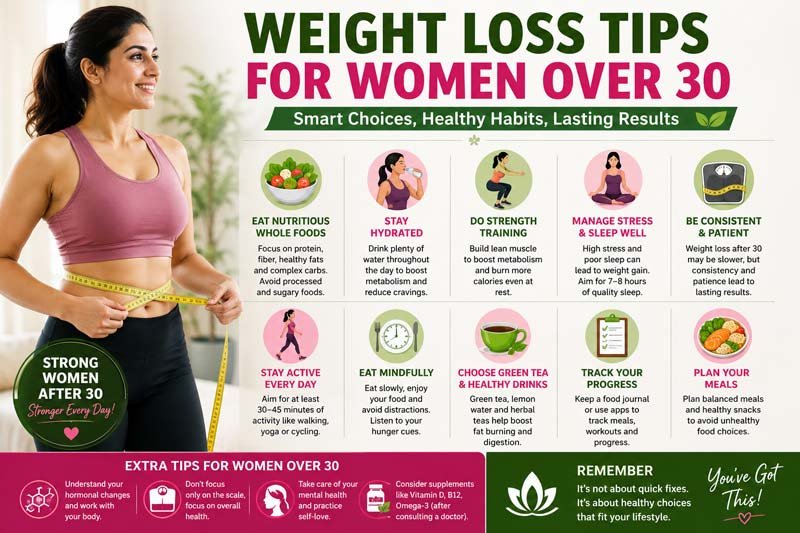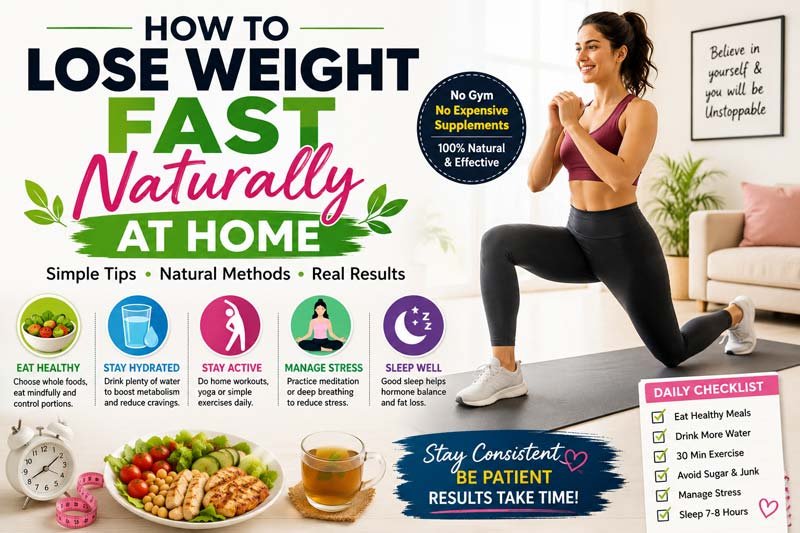
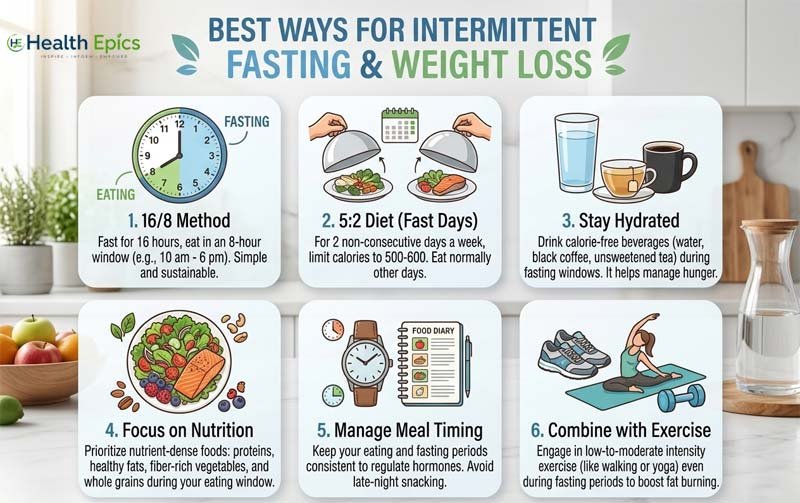
Intermittent fasting for weight loss has become one of the most popular eating patterns in the United States. Unlike traditional diets that focus primarily on what you eat, intermittent fasting emphasizes when you eat. Many people choose this approach because it is flexible, easy to follow, and may support healthy weight management when combined with balanced nutrition and regular physical activity.
How Intermittent Fasting Helps with Weight Loss and Fat Burning
According to the Centers for Disease Control and Prevention (CDC), achieving and maintaining a healthy weight involves creating sustainable lifestyle habits, including healthy eating, regular exercise, adequate sleep, and stress management. Intermittent fasting is not a magic solution, but for some adults, it can be an effective strategy for reducing calorie intake and improving overall health.
This guide explains how intermittent fasting works, its potential benefits, different fasting schedules, and practical tips for getting started safely.
Popular Types of Intermittent Fasting
There is no one-size-fits-all approach to intermittent fasting. The best fasting schedule is one that fits your lifestyle, health needs, and daily routine while being sustainable over the long term.
| Fasting Method | How It Works | Example Schedule | Best For |
|---|---|---|---|
| 16:8 Method | Fast for 16 hours and eat during an 8-hour window. | Eat between 12:00 p.m. and 8:00 p.m. | Beginners and people looking for the most popular and sustainable fasting schedule. |
| 14:10 Method | Fast for 14 hours and eat during a 10-hour window. | Eat between 9:00 a.m. and 7:00 p.m. | Individuals new to intermittent fasting who want a less restrictive approach. |
| 5:2 Method | Eat normally five days per week and significantly reduce calorie intake on two non-consecutive days. | Normal eating Monday–Friday; reduced-calorie intake on Tuesday and Saturday (example). | People who prefer flexibility rather than fasting every day. |
| Alternate-Day Fasting | Alternate between regular eating days and fasting or very low-calorie days. | Eat normally one day, fast or consume very few calories the next day. | Experienced individuals who can manage a more restrictive fasting schedule. |
| Time-Restricted Eating | Consume all daily meals within a consistent eating window, such as 8, 10, or 12 hours. | Eat between 10:00 a.m. and 6:00 p.m. or another preferred schedule. | Adults seeking a flexible eating pattern that fits their work and family routine. |
Which Intermittent Fasting Schedule Is Best?
The 16:8 method is generally considered the most beginner-friendly and widely practiced form of intermittent fasting because much of the fasting period occurs during sleep. However, the best schedule is the one you can follow consistently while meeting your nutritional needs and maintaining a healthy lifestyle.
Potential Benefits of Intermittent Fasting for Weight Loss
Research suggests that intermittent fasting may provide several health benefits for some individuals when practiced safely.
May Support Weight Loss
Limiting eating hours can naturally reduce calorie intake, making it easier for some people to maintain a calorie deficit.
May Help Reduce Belly Fat
While no specific eating pattern targets belly fat, losing overall body weight often reduces abdominal fat.
May Improve Blood Sugar Regulation
Some studies suggest intermittent fasting may improve insulin sensitivity in certain individuals. However, people with diabetes should consult their healthcare provider before trying intermittent fasting.
May Support Heart Health
Healthy eating patterns combined with weight loss may contribute to improvements in:
- Blood pressure
- Cholesterol levels
- Triglycerides
These are important risk factors for cardiovascular disease.
May Simplify Meal Planning
Many people appreciate intermittent fasting because it reduces the number of meals they prepare each day, making healthy eating easier to manage.
May Encourage Mindful Eating
Restricting eating to specific time periods can help some individuals become more aware of hunger and fullness cues.
Is Intermittent Fasting Effective for Weight Loss?
Research indicates that intermittent fasting can be an effective weight management strategy for some adults.
However, current evidence suggests that its effectiveness is often comparable to other calorie-reduction approaches. The key factor is maintaining a calorie deficit while meeting your nutritional needs.
Intermittent fasting is not necessarily better than other healthy eating plans—it is simply another option that may work well for certain lifestyles.
Who May Benefit from Intermittent Fasting?
Intermittent fasting may be appropriate for healthy adults who:
- Want a structured eating schedule
- Prefer fewer meals during the day
- Are looking for a flexible alternative to traditional dieting
- Want to reduce late-night snacking
- Are motivated to build sustainable healthy habits
Success depends on choosing nutritious foods during eating periods and maintaining an active lifestyle.
Can Intermittent Fasting Fit a Busy American Lifestyle?
Many Americans balance demanding careers, family responsibilities, long commutes, and busy schedules. Because intermittent fasting does not require purchasing special foods or following complex meal plans, it can be easier to incorporate into daily life.
For example:
- Office workers may choose to skip breakfast and eat lunch around noon.
- Remote workers can establish a consistent eating window that fits their work schedule.
- Busy parents may align meals with family dinner times while limiting late-night snacking.
The flexibility of intermittent fasting allows many people to tailor it to their routine without feeling overly restricted.
How to Start Intermittent Fasting Safely
If you’re new to intermittent fasting for weight loss, start gradually instead of jumping into long fasting periods. This approach gives your body time to adjust and can make the transition easier.
Beginner Tips
- Start with a 12-hour fasting window and gradually increase it.
- Choose a fasting schedule that fits your daily routine.
- Stay hydrated throughout the day.
- Eat balanced, nutrient-dense meals during your eating window.
- Avoid overeating when your fast ends.
- Be consistent with your schedule.
- Listen to your body’s hunger and fullness cues.
Remember, intermittent fasting should be sustainable—not overly restrictive.
What Can You Eat During Your Eating Window?
The quality of your diet is just as important as your fasting schedule. Focus on whole, minimally processed foods that provide lasting energy, essential nutrients, and help keep you feeling full.
| Food Group | Why It’s Important | Best Food Choices |
|---|---|---|
| Lean Protein | Helps preserve muscle mass, supports recovery, and promotes fullness. | Chicken breast, turkey, fish, eggs, Greek yogurt, cottage cheese, tofu, beans, lentils |
| Whole Grains | Provide complex carbohydrates, fiber, and sustained energy. | Oatmeal, brown rice, quinoa, whole-grain bread, whole-wheat pasta |
| Fruits and Vegetables | Rich in vitamins, minerals, fiber, and antioxidants that support overall health. | Apples, berries, oranges, broccoli, spinach, carrots, bell peppers, leafy greens |
| Healthy Fats | Support heart health, hormone production, and help you stay satisfied between meals. | Avocados, olive oil, almonds, walnuts, chia seeds, flaxseeds |
What Can You Drink During a Fast?
Staying hydrated is essential during fasting periods. The following beverages generally do not break a fast because they contain little to no calories.
| Beverage | Can You Drink It While Fasting? | Notes |
|---|---|---|
| Water | ✅ Yes | The best choice for hydration during fasting. |
| Sparkling Water (Unsweetened) | ✅ Yes | Choose varieties without added sugar or calories. |
| Black Coffee | ✅ Yes | Drink plain without sugar, milk, or cream. |
| Unsweetened Black Tea | ✅ Yes | A calorie-free option that can be enjoyed hot or iced. |
| Unsweetened Green Tea | ✅ Yes | Provides antioxidants and contains a moderate amount of caffeine. |
| Unsweetened Herbal Tea | ✅ Yes | A caffeine-free way to stay hydrated. |
Tip: Avoid beverages containing added sugar, flavored syrups, cream, milk, or significant calories during your fasting window, as they may break your fast.
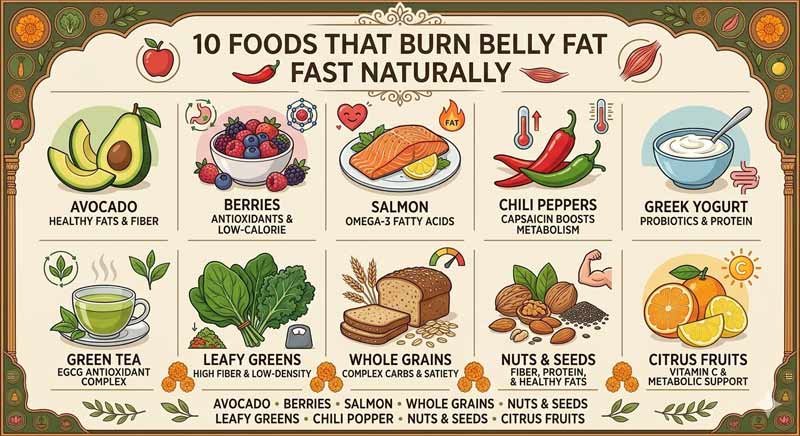
Also Visit – 10 Foods That Burn Belly Fat Fast Naturally | Weight Loss Tips
Can You Exercise While Intermittent Fasting?
Yes. Many people exercise successfully while following intermittent fasting. The best workout time depends on your energy levels, fitness goals, and personal preference.
| Exercise | Benefits During Intermittent Fasting |
|---|---|
| Walking | Low-impact exercise that supports calorie burning and cardiovascular health. |
| Strength Training | Helps preserve and build lean muscle while promoting fat loss. |
| Cycling | Improves cardiovascular fitness and burns calories. |
| Jogging | Supports heart health and increases calorie expenditure. |
| Yoga | Enhances flexibility, balance, and stress management. |
| Swimming | Provides a full-body, low-impact workout. |
| Bodyweight Workouts | Builds strength and endurance without requiring gym equipment. |
Note: If you’re new to intermittent fasting, consider scheduling your workouts during your eating window or shortly before your first meal to help support energy levels and recovery.
Frequently Asked Questions
Does intermittent fasting help with weight loss?
Yes. Intermittent fasting for weight loss can be effective for some adults because it may help reduce overall calorie intake. However, long-term success depends on maintaining a balanced diet, staying physically active, getting enough sleep, and creating a sustainable calorie deficit.
What is the best intermittent fasting schedule for beginners?
The 16:8 method is one of the most popular and beginner-friendly fasting schedules. Many people also find the 14:10 method easier when starting because it provides a longer eating window while allowing the body to gradually adapt.
Can I drink coffee while intermittent fasting?
Yes. Plain black coffee without sugar, milk, cream, or flavored syrups is generally considered acceptable during the fasting window. Unsweetened tea and water are also good options to help you stay hydrated.
How long does it take to see results with intermittent fasting?
Results vary depending on factors such as your starting weight, calorie intake, physical activity, sleep, and consistency. Some people notice changes in energy levels and eating habits within a few weeks, while noticeable weight loss may take longer.
What foods should I eat during intermittent fasting?
Focus on nutrient-dense foods that support overall health, including:
- Lean proteins
- Whole grains
- Fruits
- Vegetables
- Healthy fats
- Legumes
- Low-fat dairy
Limiting processed foods, sugary beverages, and excess added sugars can help support your weight-loss goals.
Can I exercise while intermittent fasting?
Yes. Walking, morning workout, strength training, cycling, jogging, swimming, yoga, and other forms of exercise can all be incorporated into an intermittent fasting routine. Many people prefer to exercise during or shortly before their eating window to support energy levels and recovery.
Is intermittent fasting safe for everyone?
No. Intermittent fasting may not be appropriate for everyone. People who are pregnant or breastfeeding, have diabetes, take certain medications, have a history of eating disorders, or have other chronic medical conditions should consult a healthcare provider before starting.
Will intermittent fasting slow my metabolism?
Current research suggests that short-term intermittent fasting does not significantly slow metabolism in healthy adults. However, prolonged calorie restriction or inadequate nutrition over time may negatively affect metabolic health.
Can I lose belly fat with intermittent fasting?
Intermittent fasting cannot target fat loss from one specific area of the body. However, losing overall body fat through a calorie deficit may lead to a reduction in abdominal fat over time.
Can I do intermittent fasting every day?
Yes. Many people successfully follow schedules such as the 16:8 or 14:10 method daily. The best routine is one that fits your lifestyle, provides adequate nutrition, and can be maintained consistently.
Conclusion
Intermittent fasting for weight loss can be an effective and flexible eating pattern for many adults when combined with healthy lifestyle habits. Rather than focusing solely on calorie restriction, intermittent fasting encourages structured eating windows that may help reduce overall calorie intake and support long-term weight management.
While research suggests intermittent fasting may help with weight loss, improved metabolic health, and better eating habits for some individuals, it is not a one-size-fits-all solution. Choosing nutrient-rich foods, staying physically active, managing stress, and getting enough sleep remain essential components of a healthy lifestyle.
By following recommendations from trusted organizations such as the CDC, NIH, and American Heart Association, you can approach intermittent fasting safely and realistically. Remember that lasting weight loss comes from sustainable habits, not quick fixes. Find an eating pattern that works for your routine, supports your health goals, and is easy to maintain over the long term.