
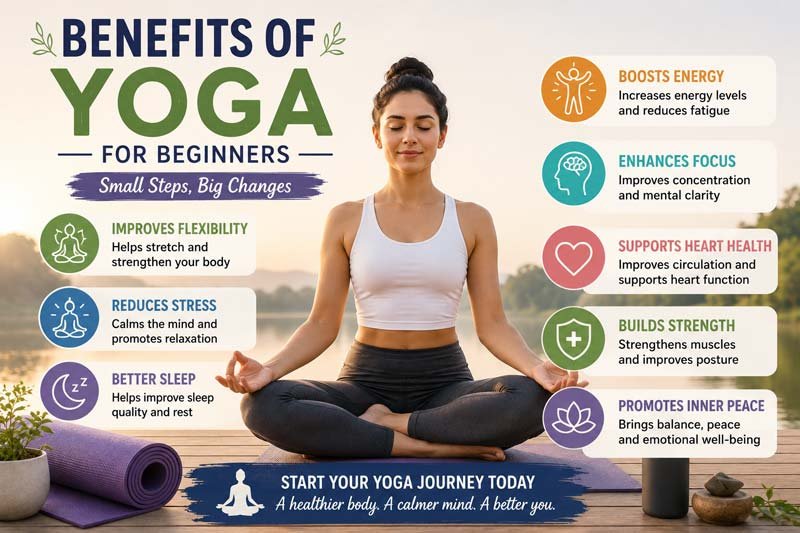
Stretching and flexibility are only two of the many benefits of yoga for beginners. Yoga is a mind-body practice that promotes general health and well-being by combining physical postures, breathing exercises, and mindfulness. Yoga provides a useful and accessible technique to enhance both physical and mental health for many Americans who struggle with hectic schedules, sedentary jobs, ongoing stress, and little physical activity.
The Benefits Of Yoga And How To Get Started
Yoga may be tailored to a variety of fitness levels, ages, and abilities, in contrast to high-intensity exercises that might be daunting to beginners. Yoga can be a beneficial supplement to a healthy lifestyle, regardless of your objectives—increasing flexibility, lowering stress, enhancing balance, supporting weight management, or just moving your body more frequently.
Also Visit – Daily Skincare Routine for Oily Skin
Yoga may help increase physical fitness, lower stress, improve the quality of sleep, and promote mental well-being, according to research backed by institutions like the NIH. This guide explores the advantages of yoga for beginners, how to begin safely, and lifestyle choices that can optimize its benefits.
What Are the Benefits of Yoga for Beginners?
Movement, breathing, and consciousness are all connected in the age-old practice of yoga. Even the most basic yoga positions can be beneficial for beginners, even though seasoned practitioners may execute more difficult poses.
The benefits of yoga for beginners include:
- Improved flexibility
- Better balance and coordination
- Increased strength
- Reduced stress
- Enhanced posture
- Better sleep quality
- Improved mobility
- Greater body awareness
- Increased mindfulness
- Support for overall wellness
Yoga’s ability to be practiced at home, outside, or in a studio with little equipment is one of its biggest benefits.
Causes and Risk Factors That Make Yoga Beneficial
Yoga may help alleviate physical discomfort and stress caused by numerous prevalent lifestyle variables in the United States.
Sedentary Jobs
Every day, millions of Americans sit at workstations for eight or more hours. Long periods of sitting can lead to stiff muscles, bad posture, and decreased mobility.
Chronic Stress
Stress levels can be raised by work pressures, money worries, family obligations, and continual internet connectivity.
Lack of Physical Activity
Many adults fall short of the recommended amounts of physical activity, according to CDC guidelines.
Poor Posture
Back, shoulder, and neck pain can be exacerbated by prolonged screen usage.
Sleep Challenges
Healthy sleep patterns may be hampered by stress and hectic activities.
Aging-Related Stiffness
Over time, joint mobility and flexibility may be diminished by natural aging.
Signs and Symptoms That Yoga May Help Address
Although yoga is not a medical treatment, beginners frequently turn to it to aid with common issues like:
- Muscle stiffness
- Poor flexibility
- Stress and tension
- Mild back discomfort
- Poor posture
- Low energy
- Balance challenges
- Sleep difficulties
- Reduced mobility
- Mental fatigue
A healthcare provider should be consulted by anyone experiencing severe or ongoing symptoms.
Benefits of Addressing Physical Inactivity and Stress
Improved Flexibility
Frequent stretching enhances joint and muscle range of motion.
Better Balance
Numerous yoga poses test coordination and stability, which gradually improves balance.
Also Visit – Best Morning Workout for Weight Loss
Increased Strength
Yoga strengthens all of the body’s muscles by using body weight resistance.
Enhanced Posture
Yoga can help you become more conscious of your posture and body alignment.
Stress Reduction
The nervous system may be calmed by breathing techniques and mindfulness activities.
Better Sleep Quality
After regular yoga practice, many people report better sleep and calmness.
Increased Mobility
Maintaining joint flexibility and function can be aided by gentle activity.
Improved Mental Well-Being
Yoga may help with emotional resiliency and promotes awareness.
Best Natural Solutions Through Yoga Practice
Deep Breathing Exercises
A key element of yoga is controlled breathing, which may help lower tension.
Gentle Stretching
Easy stretches help ease tense muscles and increase flexibility.
Mindfulness Meditation
A lot of yoga classes include mindfulness exercises that help people relax.
Relaxation Techniques
Child’s Pose and Corpse Pose are two poses that promote both mental and physical relaxation.
Consistent Movement
Prolonged sitting can be countered by even brief yoga sessions.
Body Awareness
Yoga teaches people to identify patterns of movement and physical strain.
Best Foods for Americans Practicing Yoga
Yoga performance and recuperation are both aided by nutrition.
Fruits
- Apples
- Bananas
- Berries
- Oranges
- Grapes
Vitamins, minerals, and natural carbohydrates can be found in these foods.
Vegetables
- Spinach
- Kale
- Broccoli
- Bell peppers
- Carrots
Whole Grains
- Oatmeal
- Brown rice
- Quinoa
- Whole wheat bread
Lean Proteins
Protein aids in the healing of muscles.
Good choices include:
- Chicken
- Turkey
- Fish
- Eggs
- Beans
- Lentils
Healthy Fats
- Avocados
- Almonds
- Walnuts
- Olive oil
- Chia seeds
Hydration
Water is still necessary both before and after yoga classes.
Best Exercises and Lifestyle Changes
Yoga is most effective when paired with other healthful practices.
Walking
Walking every day can enhance cardiovascular health and be a good complement to yoga.
Strength Training
Muscle-strengthening exercises should be done at least twice a week, according to the CDC.
Adequate Sleep
Aim for seven to nine hours each night.
Stress Management
- Meditation
- Journaling
- Deep breathing
- Spending time outdoors
Limiting Screen Time
Reducing excessive screen time may enhance sleep quality and posture.
Regular Movement Breaks
During long workdays, get up and stretch every hour.
Common Mistakes to Avoid
Comparing Yourself to Others
Since yoga is a personal discipline, each person’s progress is unique.
Skipping Warm-Ups
Mild preparation lowers the chance of injury.
Holding Your Breath
An essential part of yoga is breathing correctly.
Pushing Too Hard
Steer clear of pushing your body into awkward situations.
Practicing Inconsistently
Frequent practice yields greater results than sporadic extended sessions.
Ignoring Pain
Sharp pain should never be disregarded, but discomfort and stretching sensations are common.
Focusing Only on Flexibility
Additionally, yoga improves mindfulness, strength, and balance.
Risks and Precautions
For the majority of healthy adults, yoga is typically safe, although some safety measures should be taken.
Expert Tips for Beginners
Start Small
Yoga might be beneficial even for ten to fifteen minutes each day.
Focus on Consistency
It is frequently more useful to practice three to five times a week as opposed to sporadic long sessions.
Also Visit – Best Full Body Workout for Beginners
Learn Basic Poses First
- Mountain Pose
- Child’s Pose
- Cat-Cow Stretch
- Downward Dog
- Warrior I
Use Guided Instruction
Technique can be improved with the aid of certified instructors and online starting courses.
Listen to Your Body
Respect your boundaries and make small steps forward.
Prioritize Breathing
Physical positions are vital, but so are breathing exercises.
Create a Dedicated Space
Focus and consistency can be enhanced in a calm setting.
Frequently Asked Questions
What advantages can yoga offer to beginners?
Strength, flexibility, balance, posture, stress reduction, sleep quality, and general well-being may all be enhanced by yoga.
How frequently should beginners practice yoga?
Even brief yoga practices three to five times a week are beneficial for many beginners.
Does yoga aid in stress reduction?
Indeed, yoga may help reduce stress since it incorporates movement, breathing techniques, and awareness.
Does yoga help people lose weight?
When paired with a balanced diet and regular exercise, yoga can help manage weight.
How long does it take for yoga to start showing results?
After a few weeks of regular practice, some people report increased flexibility and calmness.
Is flexibility a prerequisite for beginning yoga?
No. Regular practice leads to the progressive development of flexibility.
Can senior citizens practice yoga?
Numerous yoga styles can be modified to accommodate different fitness levels and elderly persons.
What gear is necessary for new yoga practitioners?
It usually suffices to have a yoga mat, cozy clothes, and optional supports like straps or blocks.
Is it better to do yoga in the morning or at night?
Both can work well. The ideal time is the one that regularly works with your schedule.
Does yoga help with posture?
Yes, yoga may improve awareness of body alignment and strengthen postural muscles.
Conclusion
Yoga is one of the most accessible and beneficial physical activities for adults looking to improve their health and well-being because of its advantages for beginners. Yoga can help treat several issues related to modern American lifestyles, such as stress, inactivity, bad posture, and decreased mobility, by combining gentle movement, controlled breathing, mindfulness, and flexibility training.
Beginners can create a long-lasting practice that promotes both physical and emotional well-being for years to come by starting cautiously, practicing regularly, and integrating yoga with healthy lifestyle choices.